The Rise of Djent and Modern Progressive Metal
The Evolution of Djent
Originating in the early 2000s, djent is a subgenre of progressive metal known for its distinctive high-gain, palm-muted guitar sound. The term “djent” itself is an onomatopoeia, capturing the sharp, percussive sound produced by heavily distorted, palm-muted, down-tuned guitar riffs. Since its inception, the genre has rapidly grown, amassing a sizable following due to its intricate musical compositions and outstanding technical proficiency. One of the most notable pioneers of djent is Meshuggah, whose aggressive style has inspired a significant number of musicians and bands over the years.
Key Characteristics
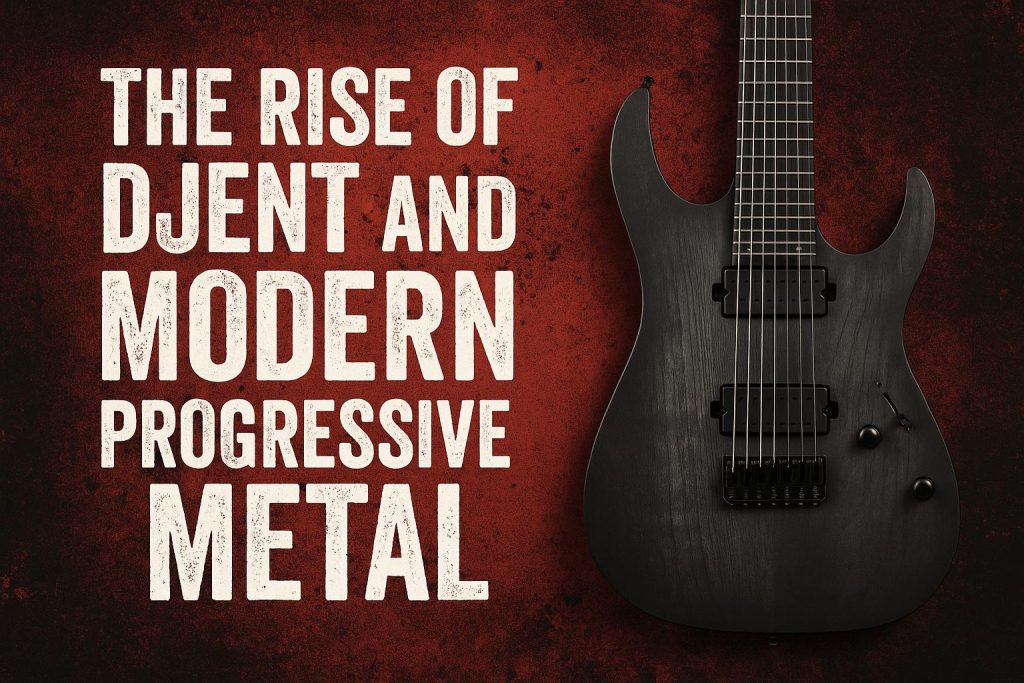
A hallmark of djent is its incorporation of complex, polymetric rhythms combined with a diverse vocal style that includes both melodic and harsh vocals. To achieve the genre’s signature sound, guitarists frequently utilize 7-string or 8-string guitars. In addition to these instruments, technology plays a pivotal role in djent music production. The use of digital amplifiers and sophisticated computer software enables musicians to create a precise and polished sound, setting djent apart from other metal genres.
Innovative Techniques
Musicians within the djent community are continuously pushing boundaries through a variety of innovative techniques. Syncopated riffs, which involve unexpected rhythms that disrupt the flow of the music, are commonly employed. Djent tracks often feature dynamic shifts in both tempo and time signatures, keeping the listener engaged with their unpredictable nature. Additionally, the experimental use of electronic elements allows djent musicians to produce a diverse auditory experience that expands the potential of the genre.
Modern Progressive Metal
Djent is a distinct part of the broader progressive metal landscape, but the modern progressive metal scene encompasses an even wider array of styles and influences. It integrates elements from numerous other genres, including jazz, classical, and electronic music. At the core of progressive metal is an emphasis on technical skill, exhibited through intricate song structures and unconventional approaches to songwriting.
Influences and Inspirations
The development of modern progressive metal has been heavily influenced by iconic bands such as Dream Theater and Opeth. These bands are known for their experimental styles and virtuosic musicianship, which have laid the groundwork for contemporary acts within the genre. By blending complex instrumental proficiency with profound lyrical themes, they have drawn in a diverse and dedicated fan base.
The Role of Production
In modern progressive metal, the quality of production plays a crucial role. The precision and attention to detail in compositions can be showcased effectively only through meticulous production. Musicians and producers work closely together to craft a balanced mix that highlights each instrumental component, often utilizing advanced studio techniques to achieve the desired sound. This commitment to excellence in production serves to enhance the overall impact of the music.
The Global Impact
The influence of both djent and modern progressive metal has been felt on a global scale. These genres continue to inspire many aspiring musicians and have contributed significantly to the development of new subgenres within metal. Festivals dedicated to progressive music, such as Progressive Nation, draw large crowds, reflecting the growing popularity and widespread appeal of progressive metal.
The Community
A vibrant online community has emerged around djent and progressive metal, offering musicians and fans platforms for discussion and collaboration. Through forums and social media, musicians frequently share techniques and insights, promoting an environment that encourages learning and innovation. This supportive community has been instrumental in sustaining and growing the genres, allowing them to evolve and reach new audiences.
Looking Forward
As djent and modern progressive metal continue to evolve, they are poised to innovate and influence the broader landscape of heavy metal and rock music. The genre’s ongoing dedication to technical excellence and creative exploration ensures its continued relevance and appeal within the ever-changing world of music. The future of djent and modern progressive metal holds promise for further innovation, as musicians continue to explore new frontiers, potentially shaping the next generation of sound within the genre.
In conclusion, both djent and modern progressive metal represent dynamic and progressive forces in the world of music. These genres are defined by their technical proficiency, innovative approaches, and eclectic influences, making them highly appealing to musicians and fans alike. As they evolve, they offer a glimpse into the limitless possibilities of musical expression and the enduring appeal of pushing the boundaries of what is possible within the realm of heavy music.