The Legacy of Heavy Metal’s Greatest Live Performances
The Origins of Heavy Metal Live Performances
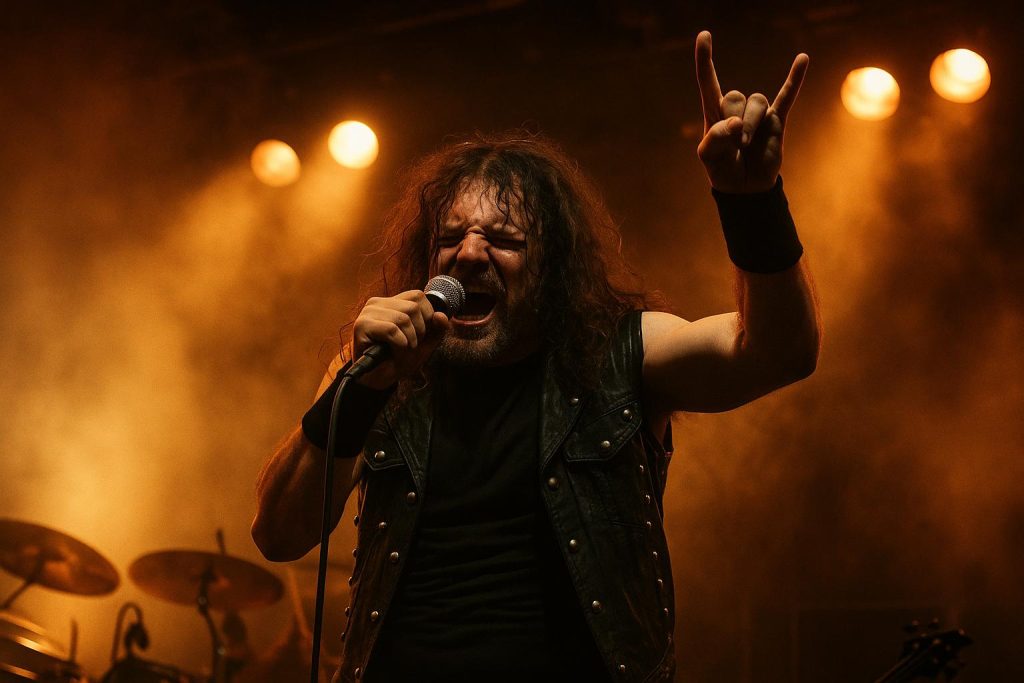
Heavy metal’s live performances have a storied history, marked by a commitment to intensity, skill, and theatrics. The genre emerged in the late 1960s and early 1970s, heavily influenced by bands like Led Zeppelin, Black Sabbath, and Deep Purple. These early pioneers set the stage for what would become a defining element of heavy metal: the live concert. The concerts served not just as musical events but as comprehensive entertainment experiences that paved the way for future innovation in live music.
Impact of the 1970s
The 1970s was a transformative decade for heavy metal, a period marked by intense innovation and the exploration of live performance boundaries. Black Sabbath, with its iconic heavy sound and thematic darkness, created live shows that combined theatrical elements with music. Their concerts were not just auditory experiences but also visual spectacles that engaged audiences on multiple levels. Similarly, Led Zeppelin, known for their dynamic energy and musical improvisation, redefined what a live performance could be. Their ability to create an electric atmosphere filled with palpable energy cemented their position as top-tier performers.
During this era, KISS entered the scene and completely revolutionized the concept of live stage performances. Known for their elaborate makeup, flamboyant costumes, and groundbreaking use of pyrotechnics and stage effects, KISS set a new standard for what fans could expect from a heavy metal concert. They created a template for spectacle that extended beyond the music itself, transforming concerts into theatrical events where visual and sonic elements combined to create a truly memorable experience.
1980s: Expanding the Spectacle
The 1980s was considered a golden era for heavy metal live performances thanks to bands such as Iron Maiden, Metallica, and Judas Priest. These bands took the foundational work of the 1970s and expanded it, increasing the scale and production quality of their concerts. Elaborate stage designs and light shows became integral parts of the performances, enhancing the music and creating an all-encompassing atmosphere that engaged the audience fully.
Metallica’s performances were particularly noteworthy for their raw energy and exceptional musicianship. Known for their intense stage presence, they brought a level of aggressiveness and power that was unmatched. They captivated audiences worldwide, setting the bar high for precision, speed, and ferocity in live performances.
Iron Maiden’s World Slavery Tour
One of the defining moments of the 1980s heavy metal scene was Iron Maiden’s World Slavery Tour. This ambitious tour spanned several continents and included 187 shows, each one an epic event in its own right. The band’s Egyptian-themed stage setup was one of the most elaborate of its time, featuring extensive lighting displays and complex stage mechanics. This tour exemplified the potential of combining music with elaborate stagecraft to create a comprehensive entertainment experience.
Iron Maiden’s commitment to creating a thematic narrative for their tour underscored their willingness to innovate within the genre. The World Slavery Tour not only highlighted the band’s musical abilities but also showcased how far stage design and thematic elements could elevate a live performance.
The Evolution in the 1990s and Beyond
Advancements in technology in the 1990s brought about a new era of evolution for heavy metal concerts. Bands such as Pantera and Nine Inch Nails pushed the boundaries of aggression and technical proficiency, bringing a more raw and visceral quality to live performances. This new level of intensity and complexity was both shocking and thrilling for audiences, setting new expectations for the energy and engagement of a live heavy metal show.
As the late 1990s and early 2000s unfolded, heavy metal bands began incorporating multimedia elements into their performances. Bands like Rammstein became renowned for their use of pyrotechnics, lighting effects, and video displays, ingeniously integrated into their live shows to create a more immersive and sensory-rich experience. These elements provided concert-goers with a multifaceted experience, stimulating both sight and sound.
Today, heavy metal concerts continue to evolve, utilizing emerging technologies such as virtual reality and advanced video projections to enhance the live performance. These modern innovations are in line with the genre’s trajectory towards creating fully immersive entertainment experiences that captivate and engage audiences in unprecedented ways.
Conclusion
The evolution of heavy metal live performances showcases the genre’s journey from raw musical expression to meticulously crafted productions that engage multiple senses. From its origins in the late 1960s and 1970s, shaped by influential acts like Led Zeppelin and Black Sabbath, to its modern-day incarnation, heavy metal has consistently pushed the boundaries of live music. It is this relentless pursuit of innovation and excellence that ensures heavy metal remains a vital and enduring element in the world of live music. Through the decades, heavy metal concerts have grown to become a spectacle that offers more than just music; they provide an all-encompassing sensory experience that leaves a lasting impact on audiences worldwide.