The Impact of Nu Metal on the Heavy Metal Genre
Introduction to Nu Metal
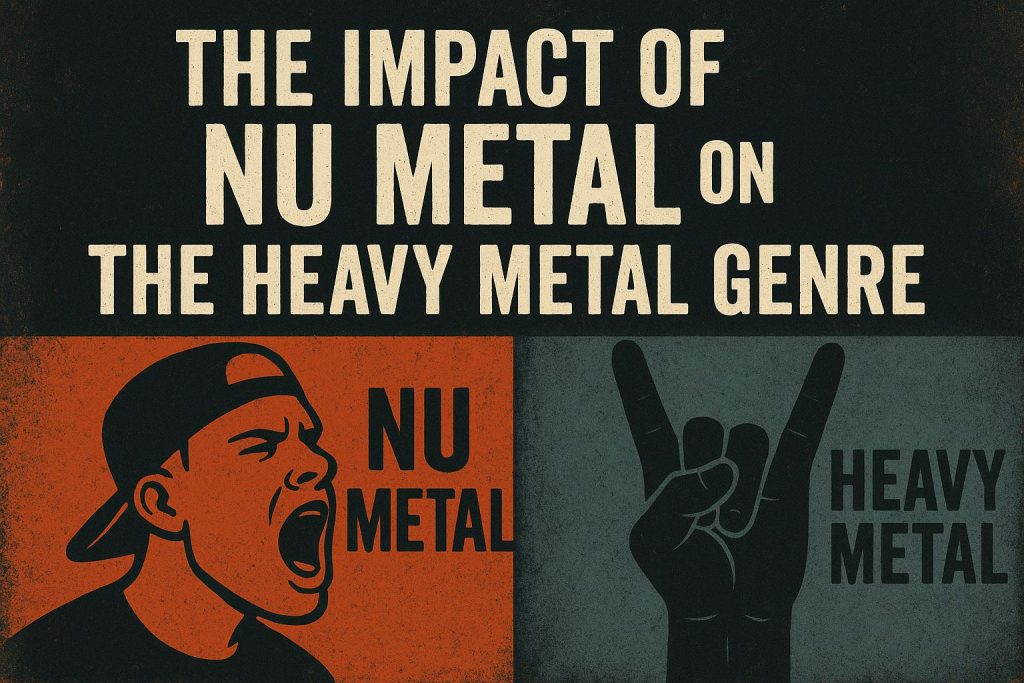
Nu Metal emerged in the mid-1990s, carving a unique niche in the broader landscape of heavy metal. Combining elements of heavy metal with other genres like hip-hop, grunge, and alternative rock, Nu Metal brought a fresh sound that appealed to a wide audience. Bands like Korn, Limp Bizkit, and Linkin Park became household names, and the genre gained mainstream success quickly. This new stylistic approach enabled Nu Metal to challenge the conventions of traditional metal and establish its distinctive identity.
Characteristics of Nu Metal
Nu Metal stands out due to its blend of genres. The use of groovy rhythms, down-tuned guitar riffs, and aggressive yet melodic vocals were hallmarks of the genre. Unlike traditional heavy metal, which often focused on complex solos and technical proficiency, Nu Metal’s appeal lay in its accessible sound and emotional intensity. The genre frequently incorporated melodic choruses that contrasted with the aggressive verses, setting a different tone from its predecessors.
Nu Metal bands often employed a variety of instruments and effects to create their signature sound. For example, the bass guitar in Nu Metal tends to play a more prominent role compared to other metal genres, contributing to the style’s distinctive groove. Drums often followed hip-hop-inspired patterns, which added a level of rhythmic complexity.
Fusion of Genres
One significant impact of Nu Metal on the heavy metal genre was its willingness to incorporate diverse musical styles. Hip-hop influences were particularly notable, with many bands incorporating rap vocals and turntables into their music. The genre’s exploration beyond traditional metal boundaries fostered a unique listening experience that appealed to fans of both rock and hip-hop.
The lyrical themes in Nu Metal also diverged from traditional metal’s emphasis on fantasy and mythology, instead addressing personal and social issues. This shift allowed listeners to connect with the music on a more personal level, further broadening its appeal.
Commercial Success and Criticism
Nu Metal achieved unprecedented commercial success within the heavy metal scene. Bands like Linkin Park and Limp Bizkit sold millions of albums worldwide, and their music videos received heavy rotation on music television networks like MTV. This exposure contributed to the genre’s rapid popularity and helped to bring heavy metal into the mainstream consciousness of the late 1990s and early 2000s.
However, the genre was not without its detractors. Traditionalists within the heavy metal community criticized Nu Metal for its perceived lack of depth and technical skill. They often argued that Nu Metal’s focus on mainstream appeal diluted the core elements of heavy metal. Critics contended that the genre’s simplified song structures and lack of technical guitar solos detracted from its artistic value.
Despite these criticisms, the commercial achievements of Nu Metal bands created opportunities for experimentation and collaboration across the music industry. This led to cross-genre partnerships that further expanded the musical landscape.
Revitalization of the Metal Scene
Despite criticisms, Nu Metal played a vital role in revitalizing interest in the heavy metal genre. During the late 1990s and early 2000s, when many traditional metal bands struggled to remain relevant, Nu Metal’s fusion of styles attracted a younger audience. This new wave of fans eventually explored other subgenres of metal, leading to a resurgence in its overall popularity.
The success of Nu Metal can also be attributed to its appeal at live performances. Bands from this genre hosted energetic shows that were accompanied by elaborate stage designs and interactive elements, further drawing fans into the experience. This engagement at live events ensured that fans kept returning, helping sustain the genre’s popularity.
Influence on Subsequent Metal Subgenres
The legacy of Nu Metal is evident in the evolution of heavy metal. Its emphasis on emotional expression and genre-blending paved the way for subgenres like metalcore and djent. Bands within these subgenres often cite Nu Metal as an influence in their sound and aesthetic.
For metalcore bands, the combination of melodic hooks with aggressive breakdowns reflects the balance of melody and aggression found in Nu Metal. Djent, known for its complex rhythmic structures and use of extended-range guitars, has been influenced by Nu Metal’s pioneering use of lower guitar tunings and rhythmic experimentation.
The stylistic innovations introduced by Nu Metal paved the way for greater diversity within metal, encouraging musicians to explore creative boundaries and integrate various influences into their work.
The Role of Digital Platforms
The advent of digital platforms and social media has allowed fans to rediscover and share Nu Metal music, leading to a renewed interest in the genre. Platforms like YouTube and Spotify enable new audiences to explore Nu Metal’s extensive catalog, creating opportunities to engage with music that may have been overlooked during its original era.
Bands have capitalized on this by reuniting for tours and releasing new material, demonstrating the lasting impact of Nu Metal on the heavy metal genre. Many bands from the Nu Metal era have discovered new audiences through digital streaming and use social media to connect with fans in ways that weren’t possible in the late 90s and early 2000s.
Learn More
For further reading on the impact of Nu Metal and its influence on modern metal subgenres, explore resources that delve deeper into musical analysis and cultural impact. Websites dedicated to heavy metal music history and analysis offer valuable insights into this transformative era for the genre. Listening to albums from key Nu Metal bands such as Korn, Linkin Park, and Limp Bizkit provides a firsthand understanding of the genre’s sound and innovations.