How Heavy Metal Became a Global Language
The Origins of Heavy Metal
The musical genre known as heavy metal began to form during the late 1960s and early 1970s, influenced significantly by pioneering bands like Black Sabbath, Led Zeppelin, and Deep Purple. These groups are credited with laying the groundwork for what would become a dynamic and influential musical genre. Drawing inspiration from blues, rock, and psychedelic music, these bands created a distinct sound characterized by amplified distortion, extended guitar solos, and a general emphasis on loudness. A landmark moment in the genre’s history was the release of Black Sabbath’s self-titled debut album in 1970, which set the stage for the international proliferation of heavy metal music.
Characteristics of Heavy Metal
Heavy metal is defined by its powerful sound and intense energy. Central to its appeal are heavy guitar riffs, aggressive drumming, and strong, commanding vocals. The genre is known for its complex musical structures and intricate rhythms, often accompanied by lyrical themes that range from deeply personal struggles to elaborate mythological narratives. These elements together create a sound that is both varied and instantly recognizable.
Global Expansion in the 1980s
The 1980s marked a period of significant global growth for the heavy metal genre, propelled by the advent of various sub-genres such as thrash metal, glam metal, and power metal. Bands like Metallica, Slayer, and Iron Maiden were instrumental in bringing these new styles to a broader audience. In addition, the glam metal scene emerged in Los Angeles, with bands like Mötley Crüe and Bon Jovi emphasizing theatrical performance and memorable hooks that drew in large crowds.
MTV and radio also played pivotal roles in the dissemination of heavy metal music across international borders. These media outlets provided both visual and auditory platforms that allowed bands to reach audiences far beyond their home countries. As a consequence, heavy metal found receptive fans across continents, including Europe, Asia, and Latin America.
Heavy Metal in Different Cultures
As the genre expanded globally, distinctive local scenes began to take shape, each infusing heavy metal with unique cultural influences. In Japan, for example, bands like X Japan spearheaded an Extreme Metal movement noted for its technical skill and emotional intensity. In Scandinavian countries, black metal emerged with groups such as Mayhem and Bathory producing music marked by its dark, atmospheric qualities.
In Latin America, heavy metal struck a chord with themes of social and political dissatisfaction. Brazilian band Sepultura became internationally known for their thought-provoking lyrics and powerful sound. Their work continues to shape metal music across the world, demonstrating the genre’s capacity for emotional depth and cultural commentary.
The Role of Festivals and the Internet
International music festivals have been vital to the globalization of heavy metal. Events like Wacken Open Air in Germany and Download Festival in the United Kingdom bring together fans from around the world. These festivals not only offer a stage for established acts but also provide opportunities for emerging bands to showcase their talents to a diverse international audience.
Moreover, the internet has revolutionized the distribution and accessibility of heavy metal. Platforms like YouTube, Bandcamp, and Spotify have made it easier than ever for fans to explore new bands and sub-genres. This digital landscape promotes a sense of community among metal enthusiasts globally. Social media has further empowered bands to engage directly with their fan base, fostering closer connections and a more interactive musical experience.
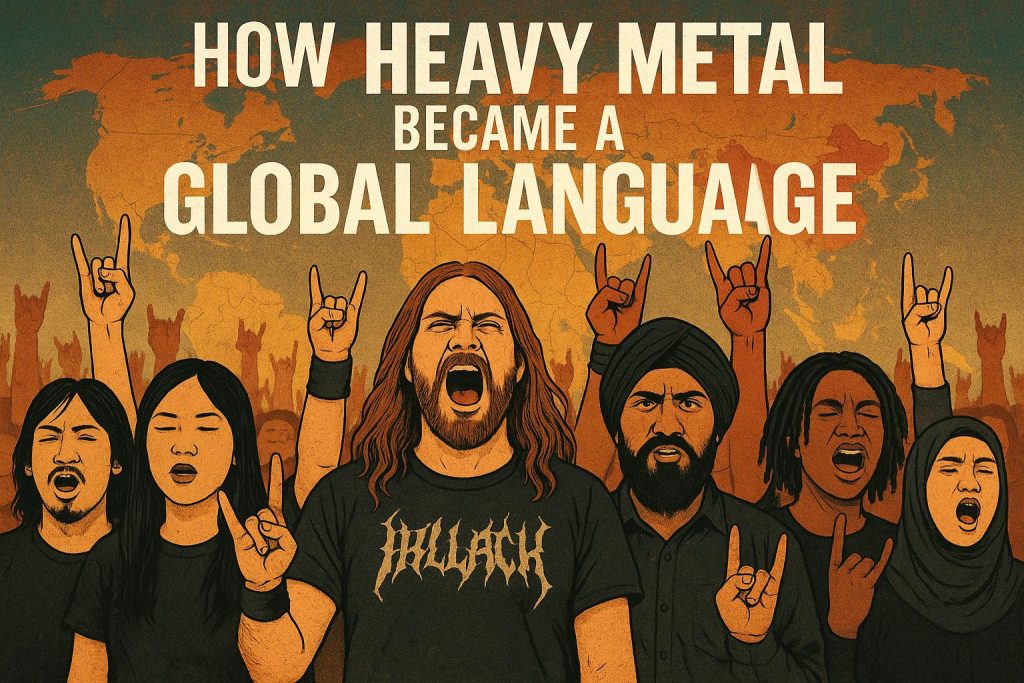
In conclusion, the evolution of heavy metal into a global phenomenon can be attributed to its adaptability, its incorporation of diverse cultural elements, and its powerful, relatable themes. The genre has been empowered by modern technologies that eliminate geographical limitations, and it continues to attract a worldwide audience that identifies with its intense and expressive nature. With its ability to cross boundaries and unite listeners, heavy metal stands as a testament to the enduring power of music as a form of universal expression.