How DIY Culture Shaped Underground Metal Scenes
Introduction to DIY Culture in Underground Metal
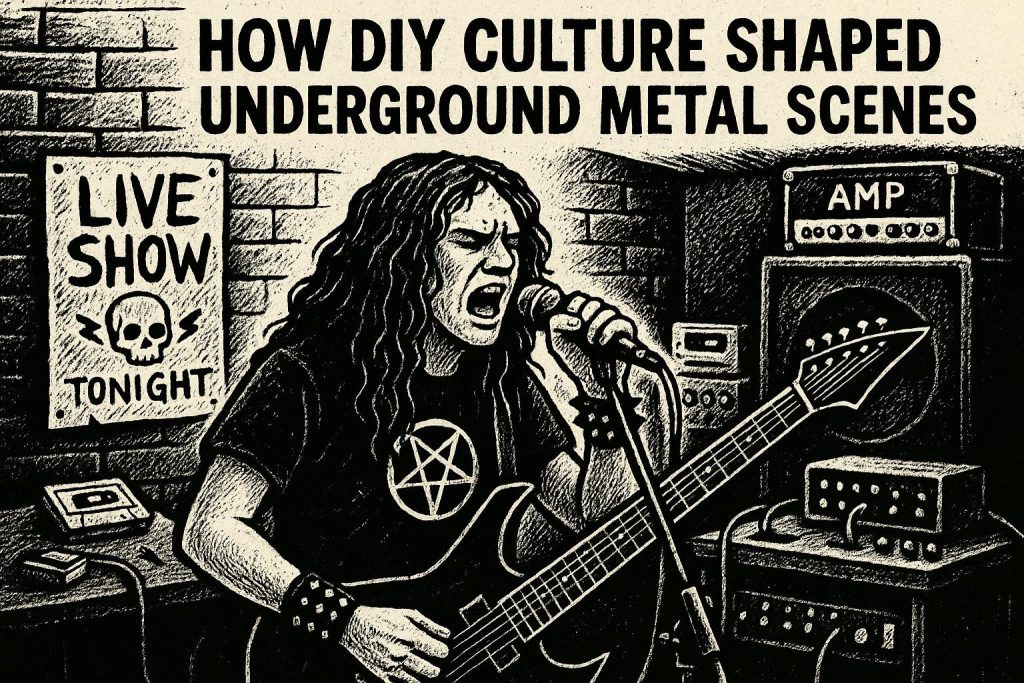
The Do-It-Yourself (DIY) culture has played a pivotal role in shaping underground metal scenes across the globe. Its principles of autonomy and self-sufficiency have fostered creativity and innovation within these communities, enabling them to thrive independently from mainstream music industry constraints.
The Origins of DIY in Metal
DIY culture in metal traces back to the late 1970s and 1980s, coinciding with the rise of the punk movement. During this period, bands in the metal genre embraced the DIY ethos as a way to reach their audiences without relying on major record labels. These musicians took on roles beyond performers, often handling production, distribution, and promotion themselves. By adopting such a holistic approach, bands gained complete creative control, allowing them to reach out to their audience uniquely and effectively.
Impact on Music Production
One of the most significant impacts of DIY culture within the metal scene is seen in music production. Bands frequently recorded in makeshift home studios or low-cost facilities to produce their albums. This approach allowed for greater creative control over the music, catering to a wide range of fluctuations in the sound and style of their music that was often not possible under major record labels. This led to the development of unique sounds and sub-genres, enriching the metal world with varied and innovative music.
Self-Produced Albums
Self-produced albums became a hallmark of the underground metal scene. Artists often released their music on vinyl, cassette tapes, or, more recently, digital formats. This allowed them to maintain artistic integrity while reaching niche audiences that may have been overlooked by mainstream producers. By having the freedom to explore different distribution channels, artists could align their music with the preferences and interests of specific listener groups.
Concerts and Tours
DIY culture also significantly influenced live performances in underground metal. Independent bands often organized their own tours, booked their own venues, and managed their finances. This grassroots approach enabled them to connect directly with fans without the intervention of traditional concert promoters. By doing so, they not only cultivated a closer relationship with their audience but also learned vital operational skills necessary for sustaining their musical endeavors independently.
Grassroots Venues
Many grassroots venues emerged as vital hubs for underground metal performances. Often operating on minimal budgets, these venues provided spaces for local and touring acts alike, fostering a strong sense of community among fans and musicians. These spaces became more than just performance venues; they were places where the metal community could congregate, exchange ideas, and support one another. This communal aspect significantly reinforced the unique bond shared within the metal community.
Fanzines and Networking
The proliferation of DIY fanzines facilitated communication and networking within the underground metal scene. These self-published magazines offered a platform for fans to share news, reviews, and interviews with bands, contributing to the dissemination of metal culture. Fanzines also acted as a conduit for dedicated fans to express themselves creatively while ensuring that bands gained more visibility within the underground network. Additionally, these publications laid groundwork supporting the broader metal community by allowing exchange of ideas and fostering unity among fans worldwide.
Independent Record Labels
Furthermore, the rise of small independent record labels was another critical outcome of DIY culture. Labels such as Relapse Records and Metal Blade Records began by supporting underground metal acts, often founded by enthusiasts and former musicians who shared a passion for the genre. These labels played an essential role by providing bands with resources and knowledge that were otherwise unattainable through conventional mainstream channels. Ultimately, this helped propel the artists’ popularity without diminishing the principles of independence and self-sufficiency central to the DIY philosophy.
Global Reach and Influence
Despite its underground nature, the impact of DIY culture on metal has been felt worldwide. It has fostered a spirit of independence, encouraging musicians across various regions to pursue their visions without succumbing to commercial pressures. As a result, diverse scenes have emerged, each with its unique characteristics. From raised sub-genres and distinct lyrical content to variance in cultural influence, each region contributed something unique to the broader sphere of metal music. The amalgamated result is a globally recognized genre full of richness, diversity, and authenticity.
Conclusion
In conclusion, DIY culture has been instrumental in the development and sustainability of underground metal scenes around the world. By prioritizing self-reliance and creativity, it has allowed musicians and fans to cultivate vibrant communities free from the conventional music industry’s influence, ensuring the authentic preservation and continued evolution of metal music. The underground metal scene continues to thrive as one of the strongest examples of the DIY ethos, inspiring musicians and listeners alike to keep creating and supporting their unique musical expressions independently and passionately.