The Role of Spoken Word and Storytelling in Heavy Metal
The Intersection of Heavy Metal and Storytelling
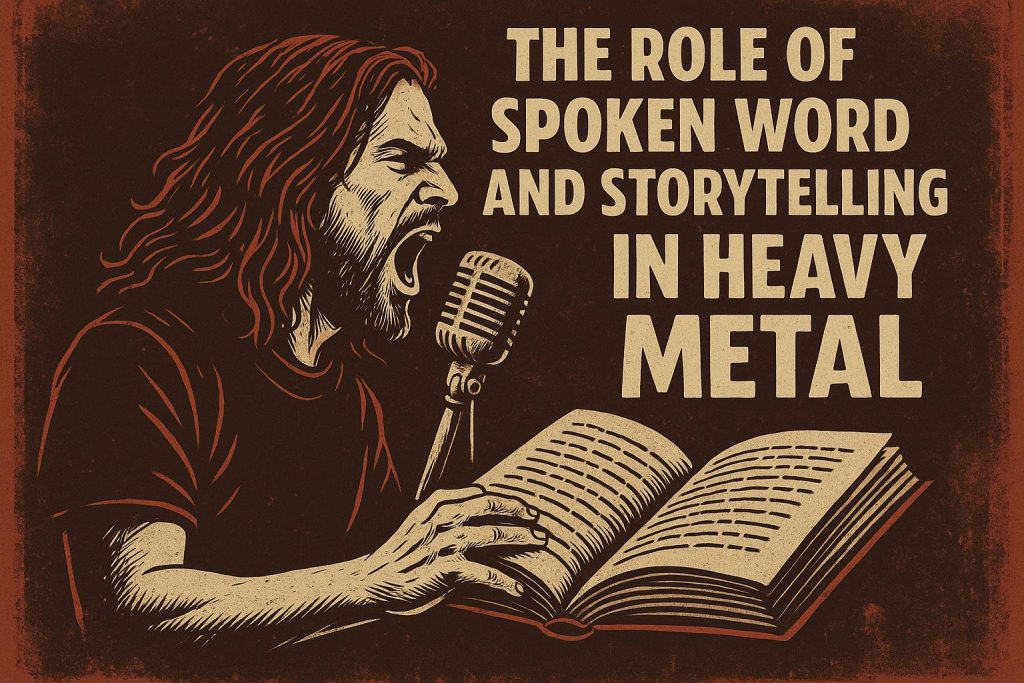
The genre of heavy metal, known for its intense sound and powerful energy, has a long-standing relationship with storytelling. This connection is manifested through the integration of spoken word passages and lyrical narratives that enrich the musical experience. The profound interaction between storytelling and heavy metal is reflective not only of the genre’s diverse influences but also of its ability to craft an immersive experience for its listeners.
Historical Context
From its inception in the late 1960s, heavy metal has drawn on various sources for inspiration, including mythology, history, and literature. Bands like Black Sabbath and Led Zeppelin often included themes that reflected these influences, setting a precedent for the genre’s narrative complexity. The infusion of these elements within heavy metal provided not only a structural backbone but also a thematic richness that allowed artists to convey intricate messages and explore complex themes. The mythological references in their lyrics set a standard that would be replicated and expanded upon by subsequent generations of metal musicians.
The storytelling aspect in early heavy metal was not merely incidental but a deliberate integration meant to enrich the listener’s experience. The grandiose and sometimes fantastical narratives present in the lyrics provided an escape, while also encouraging contemplation of larger existential questions.
Spoken Word in Heavy Metal
Spoken word has undeniably been a significant element in heavy metal, often used to introduce or embellish a track. This technique creates an atmosphere, setting the stage for the musical journey that follows. For instance, Iron Maiden, a band renowned for its narrative-driven songs, frequently incorporates spoken word to enhance the storytelling aspect of their music, often leading to an experience that is as theatrical as it is musical.
A notable example is Metallica’s “To Live Is to Die,” which includes a spoken word passage that offers poetic insight into the song’s themes. Such integrations do more than fill space; they accentuate the emotional and intellectual depth of the music, providing listeners with a moment to reflect and engage with the song on a deeper level. This use of spoken word effectively bridges the gap between the emotional intensity of the sound and the conceptual underpinnings of the lyrics.
Role in Thematic Development
The use of narrative elements such as spoken word enables bands to explore a diverse range of themes, ranging from personal struggles to epic, mythical tales. Through storytelling, metal musicians are able to communicate complex concepts and emotions. This provides listeners with the opportunity to engage with the songs in a more profound manner. Bands such as Opeth and Dream Theater have pioneered progressive metal with intricate storytelling, creating multi-layered musical pieces that challenge and captivate their audiences. These bands often weave elaborate stories that are both intellectually stimulating and emotionally resonant, pushing the boundaries of what can be achieved within a musical format.
These narrative-driven compositions often serve to juxtapose intensely personal themes with broader existential questions, allowing the music to transcend simple auditory enjoyment and become an exploration of the human condition. Such thematic development has continually pushed heavy metal to evolve, attracting a wide array of listeners who are often searching for music that offers both emotional and intellectual engagement.
Blending Myths and Modernity
Heavy metal often serves as a bridge between ancient myths and modern issues. By drawing on classic literary and mythological sources, artists provide commentary on contemporary topics. This fusion is evident in bands like Judas Priest, whose songs often contain allegorical references that resonate with today’s societal challenges. By intertwining timeless myths with current events, these bands offer a unique commentary on the human experience, making their music relevant across different eras and cultures.
The approach taken by these musicians is not merely to replicate ancient stories but to reframe them in a way that sheds light on today’s issues. Such a blend creates an opportunity for reflection and discourse, driving both the genre’s artistic evolution and its cultural relevance. The mythological elements serve to universalize the music, making its themes and stories accessible both to new generations of fans and to those who have appreciated the genre for decades.
Impact on Fans and Culture
Storytelling in heavy metal fosters a unique connection between the artists and their fans. The narratives often reflect universal themes, allowing listeners to find personal relevance and connection with the music. Moreover, the genre’s rich tapestry of stories contributes to its cultural impact, as fans explore the underlying meanings and contexts of their favorite songs. This exploration is facilitated by an engaged fan base that thrives on dissecting and discussing the intricacies of their favorite tracks.
The cultural impact of storytelling within heavy metal is also significant, as it builds communities of listeners who are united by their shared interest in the narratives presented in the music. Fans often find themselves not just as consumers of music, but as contributors to a larger conversation about the themes and stories that the music presents. This dynamic engagement helps keep the genre vibrant and relevant in a rapidly changing musical landscape.
Conclusion
The role of spoken word and storytelling in heavy metal is an essential aspect that adds depth and texture to the music. By weaving narratives into their compositions, metal artists transcend the boundaries of traditional music, offering listeners a multifaceted artistic experience. The ongoing tradition of storytelling ensures that heavy metal remains a dynamic and evolving genre, continually engaging its audience both musically and intellectually.
As the genre continues to evolve, the role of storytelling within heavy metal will remain vital. The ability to narrate complex themes through a powerful and energetic musical form ensures that the genre will continue to resonate with audiences worldwide. This multifaceted approach to music making ensures that heavy metal is not just heard, but felt, providing listeners with a holistic musical experience that encompasses emotion, intellect, and imagination. For more insights on the influence of storytelling in music, additional resources or websites dedicated to music analysis and history may prove invaluable.