How Folk and Pagan Traditions Influence Heavy Metal
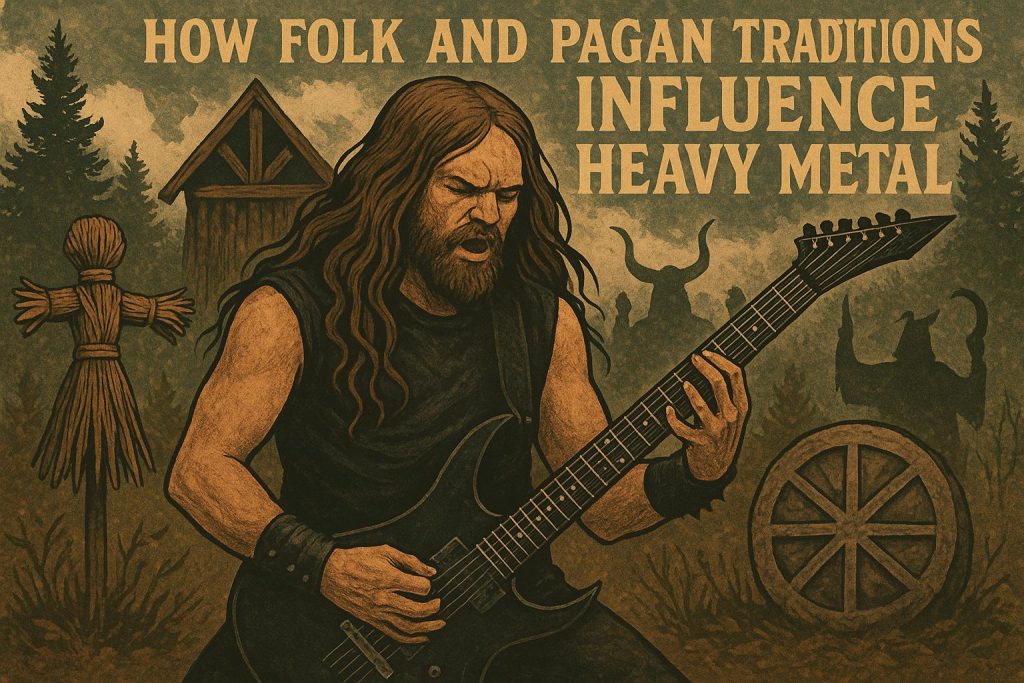
Introduction to Folk and Pagan Influences in Heavy Metal
Heavy metal is a genre of music with multifaceted characteristics, borrowing elements from a variety of sources. Among these, folk and pagan traditions stand out for their significant contributions to the genre’s thematic and aesthetic complexity. These influences root back to cultural traditions predating heavy metal’s inception, weaving a diverse and intricate tapestry of themes, styles, and methodologies.
Historical Context
The story of heavy metal began in the late 1960s and early 1970s. However, its connection to folk and pagan traditions extends to much older epochs. Folk traditions have served as vehicles for conveying cultural values, stories, and myths across generations. Passed down orally in many cases, these traditions provide a foundation of cultural continuity. Paganism, referring to a range of ancient religious practices before the ascent of major world religions, often involves aspects of nature worship and polytheism. Its elements and ethos, rooted in the acknowledgment of natural phenomena and divine personifications, resonate deeply with heavy metal’s thematic explorations.
Folk Music’s Impact on Heavy Metal
The impact of folk music on heavy metal manifests through various dimensions such as lyrical narratives, instrumentation, and song structures. Folk melodies, recognizable for their use of traditional instruments like flutes, fiddles, and bagpipes, have found a place within heavy metal. For example, bands like Eluveitie and Korpiklaani have effectively amalgamated these folk elements into their music, giving rise to a subgenre termed as folk metal.
The influence extends to lyrical content, often inspired by historical events, legends, and myths. This storytelling aspect enhances heavy metal’s capacity to narrate epic sagas, facilitating the exploration of deep and multifaceted themes. Thus, the narrative traditions of folk music enrich the lyrical depth and emotive power of heavy metal.
Pagan Themes and Imagery
Pagan themes serve as powerful undercurrents in heavy metal, expressed through both lyrical and visual artistry. Themes in heavy metal often delve into stories of ancient deities, cosmic orders, and the sanctity of nature. Bands such as Bathory and Enslaved embody these influences by drawing on Norse mythology and cyclical existential themes.
Imagery, an indispensable facet of heavy metal’s identity, often taps into pagan symbols and motifs. Album art and stage setups frequently exemplify ancient symbols and illustrations, reflecting a profound connection to, and respect for, nature and spirituality. These elements synergize with the music, creating a holistic experience that transcends mere auditory perception.
Cultural Revival and Identity
For numerous heavy metal bands, the fusion of folk and pagan components into their repertoire extends beyond artistic expression, serving as an instrument for cultural revival and identity assertion. Through embracing these age-old symbols and traditions, artists can articulate and celebrate their cultural heritage. This phenomenon is especially evident in Scandinavian regions like Norway and Finland, where metal bands lead cultural revival movements.
The incorporation of folk and pagan traditions serves as a bridge between past and present, enabling these cultures to maintain relevance and vitality in an ever-globalizing world. By intertwining music with tradition, artists contribute to a cultural renaissance, establishing a sense of identity that is both distinct and progressive.
Modern Influence and Evolution
Heavy metal continues to morph and transform, with folk and pagan influences remaining crucial drivers of its evolution. Contemporary bands increasingly experiment with these elements, delving into cultural roots while pushing creative limitations. This evolution reflects an enduring interest in, and exploration of, humanity’s relationship with nature.
As these traditions inspire modern musicians, heavy metal remains a dynamic and ever-evolving genre. These influences sustain the genre’s vibrancy and continue to inspire new generations of artists and listeners alike. The fusion of past and present ensures that heavy metal’s narrative is continuously enriched and revitalized.
Conclusion
In conclusion, the synthesis of folk and pagan traditions with heavy metal music bestows upon the genre its depth and heterogeneity. By integrating historical and cultural narratives, alongside traditional instruments and visual symbols, these influences have become a foundational element of heavy metal’s essence. As this genre grows and diversifies, the enduring impact of these traditions will likely persist, bearing witness to their importance in the ongoing saga of heavy metal. The convergence of these elements continues to foster a rich, exploratory environment that is characteristic of heavy metal’s bold and dynamic spirit.