The Role of Heavy Metal in Sci-Fi and Fantasy Soundtracks
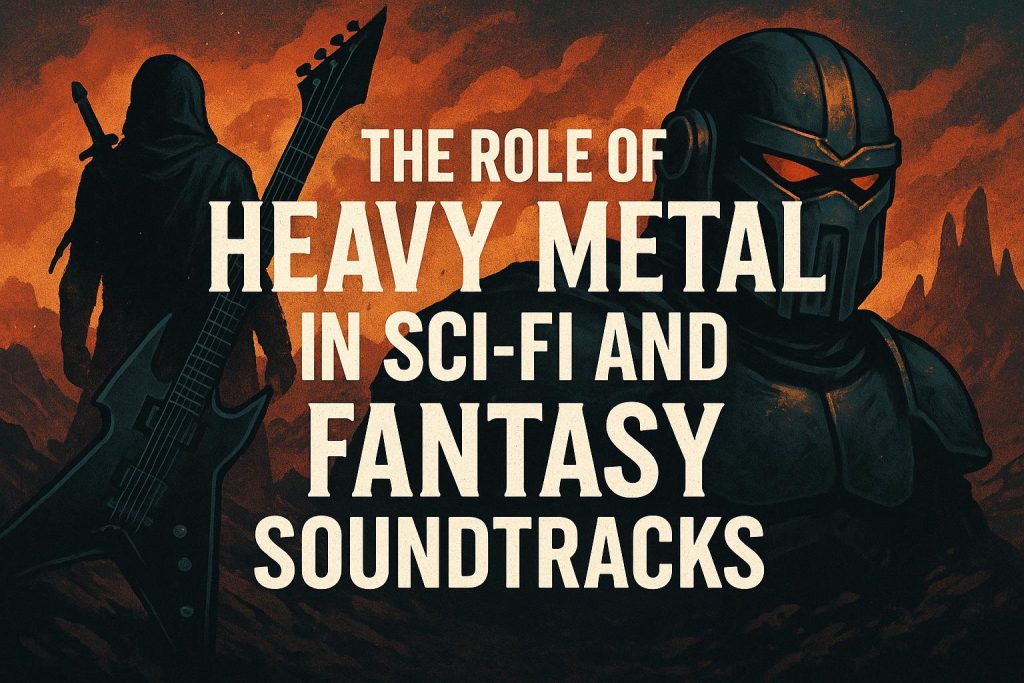
The Influence of Heavy Metal on Sci-Fi and Fantasy Soundtracks
Film and television soundtracks are fundamental components of the viewing experience, serving as an auditory guide that aligns with and accentuates the narrative journey. Among the diverse musical styles that contribute to cinematic and television soundscapes, heavy metal stands out as a genre that distinctly complements the thematic essence of science fiction and fantasy. Its unique attributes make it particularly suitable for these genres, intertwining seamlessly with their storytelling forms.
Characteristics of Heavy Metal
Heavy metal is distinguished by a number of defining features, each of which contributes to its potent sound and wide appeal. The genre is characterized by powerful riffs, which are essential in creating the intense and gripping sound that metal fans and novices alike find captivating. These riffs are often accompanied by complex compositions, showcasing the technical prowess of the musicians and adding a layer of sophistication to its aural tapestry. Additionally, the heavy use of electric guitars provides a sonic foundation that is both visceral and evocative of the larger-than-life themes it frequently addresses. These themes often delve into mythology, fantasy, and science fiction, which further cements heavy metal’s relevance to these storytelling mediums, providing an energy and intensity that complements the epic and often otherworldly landscapes they portray.
Enhancing Emotional and Narrative Depth
One of the critical roles of heavy metal in film and television soundtracks is its capacity to heighten the emotional impact of storytelling. The aggressive and passionate energy inherent in metal music serves as a powerful amplifier for the emotional background of a scene. Whether it’s a battle sequence or a climactic showdown, metal’s intensity can magnify the sense of chaos and urgency, immersing the audience further into the action. On the flip side, the melodic aspects of metal can infuse quieter, more introspective moments with deeper drama and intrigue. This dual ability to both augment adrenaline-pumping sequences and underscore tender narrative threads is what makes heavy metal a versatile partner in the auditory chain of sci-fi and fantasy storytelling.
Iconic Examples
There are numerous examples where heavy metal has been effectively integrated into sci-fi and fantasy soundtracks. The “Mortal Kombat” film series, with its electrifying and adrenaline-fueled sound, heavily draws on metal influences to supplement its martial arts storytelling. The sonic intensity aligns well with the film’s high-stakes narrative. Likewise, “Mad Max: Fury Road” leverages heavy metal music to underscore its apocalyptic scenery, vividly enhancing the film’s visceral impact. Similarly, the series “Stranger Things” strategically incorporates metal tracks to evoke nostalgia while also strengthening the darker undertones of its storyline. These examples illustrate how metal music’s unique soundscape complements and elevates visual storytelling, enhancing the audience’s connection to the narrative.
Collaboration with Prominent Artists
The influence of heavy metal extends beyond its traditional elements to collaborations with prominent artists within the genre. Often, musicians from renowned metal bands are enlisted to contribute original compositions to film soundtracks, bringing their distinct expertise and sound to the cinematic world. These collaborations result in soundtracks enriched by the authenticity and artistry of seasoned musicians, who align their music with the director’s creative vision. The involvement of these artists ensures that the resulting soundtracks are not only compelling but also true to the aesthetic essence of both the film and the metal genre.
Audience and Cultural Impact
The integration of heavy metal into sci-fi and fantasy soundtracks holds significant appeal for both dedicated fans of the metal genre and mainstream audiences. This fusion bridges the gap between different entertainment forms, expanding the audience base and introducing metal to new listeners. The impact of this crossover is multifaceted; it demonstrates the genre’s adaptability to various platforms and highlights its capacity to influence popular culture. Furthermore, heavy metal’s presence in soundtracks frequently leads to a surge in popularity, introducing sci-fi and fantasy enthusiasts to the genre and subsequently enriching the broader musical landscape. The resultant diversity in audience engagement not only boosts interest in metal music but also contributes positively to the overall dynamism and inclusivity within the entertainment industry.
Conclusion
In conclusion, heavy metal remains an influential component in the sonic landscapes of sci-fi and fantasy narratives. The genre’s distinct sound and thematic relevance contribute significantly to enhancing the storytelling experience, offering audiences a deeper immersion into the fantastical worlds depicted on-screen. As cinematic and television narratives continue to evolve, the collaboration between heavy metal and these visual mediums promises exciting possibilities for future creative endeavors. By bridging cultural and artistic expressions, heavy metal continues to assert its relevance, continually inviting listeners into richer, more imaginative storytelling environments.