The Impact of Heavy Metal on Literature and Poetry
Introduction
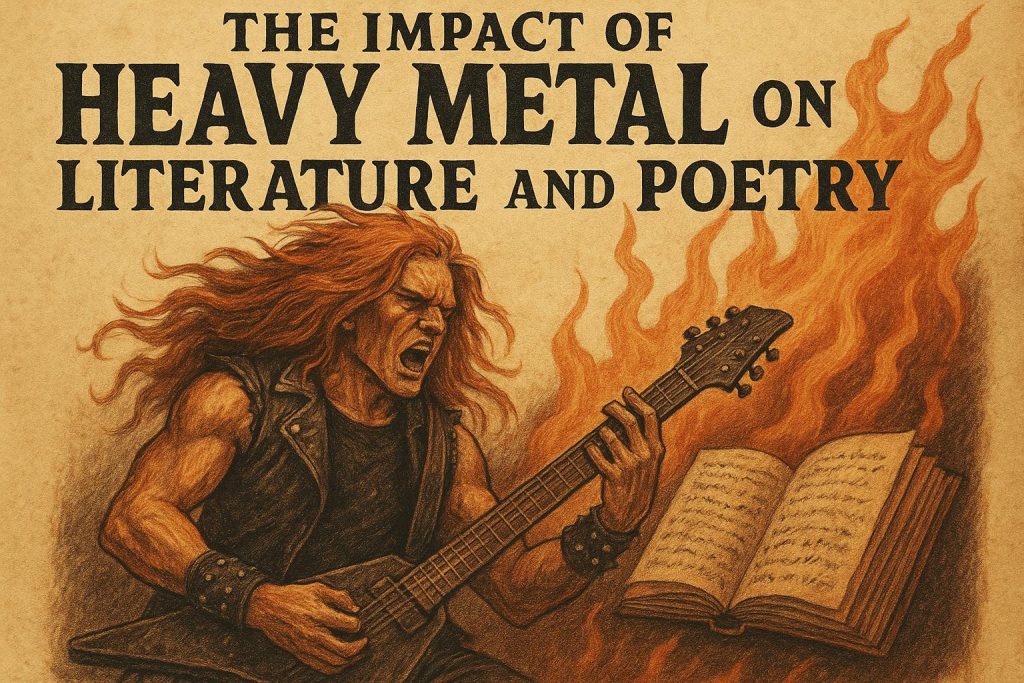
The intersection between music and literature often results in fascinating symbioses. One such intersection is the impact of heavy metal on literature and poetry. Heavy metal, a genre characterized by its loudness, intensity, and thematic exploration of rebellion and existential topics, has carved a distinct niche within the cultural zeitgeist. Its influence extends beyond the realm of music, impacting writers and poets who find inspiration in its themes, aesthetics, and ethos.
Heavy Metal Themes in Literature
Heavy metal is renowned for its exploration of themes such as power, darkness, myth, and the human condition. These themes resonate with many writers and poets, offering a rich tapestry of concepts to explore. For instance, the use of mythical and fantastical elements is prevalent in both heavy metal and literature. Works by authors like J.R.R. Tolkien and H.P. Lovecraft have often been directly referenced in metal lyrics. Bands such as Iron Maiden and Metallica have drawn on these literary inspirations to craft songs that delve into epic narratives.
Mythology and the Supernatural
The mythological and supernatural have long been staples of literary exploration, and heavy metal frequently draws upon these elements. This connection is exemplified by bands like Black Sabbath, whose elements of mysticism and the occult have found parallels in gothic literature. These shared themes allow for a cross-pollination of ideas, where both musicians and writers can explore existential questions and the unknown. Gothic literature, characterized by its exploration of the mysterious and supernatural, shares a kinship with heavy metal’s thematic focus, resulting in shared motifs that captivate the imagination.
Rebellion and Subversion
Heavy metal’s ethos often revolves around rebellion and subverting societal norms. This rebellious nature aligns with literary movements such as the Beat Generation or Romanticism, which also emphasized individualism and non-conformity. Authors and poets influenced by metal may incorporate similar themes of challenging authority and exploring the fringes of society. In literature, this translates to narratives that question the status quo and delve into the psyche of the outsider, mirroring the intensity and passion found in metal music. Writers, inspired by the genre’s defiant themes, can produce works that provoke thought and challenge readers to reconsider accepted norms.
Stylistic Influences on Poetry
The stylistic elements of heavy metal music have also found their way into poetry. The intensity and emotional depth of metal can inspire poets to experiment with form, meter, and language in new ways. This can lead to poetry that mirrors the vivid imagery and powerful emotions found in metal music. As poets embrace the bold and unapologetic expression characteristic of metal, they often venture into new linguistic terrains, crafting works that resonate with the auditory impact of the genre.
Use of Imagery
Metal’s vivid and often dark imagery can influence a poet’s choice of language. The evocative nature of metal lyrics allows poets to draw on a rich vocabulary to create powerful imagery in their work. This influence can result in poetry that is both striking and immersive, drawing the reader into the world the poet creates. By adopting the descriptive and often haunting imagery typical of metal music, poets can evoke powerful emotions and transport readers into landscapes that are as intense as they are imaginative.
Exploration of Themes
The themes prevalent in heavy metal, such as mortality, war, and inner struggle, provide fertile ground for poetic exploration. Poets may delve deeper into these themes, expanding on the surfaces scratched by the music. The introspective and philosophical nature of such topics can lead to a body of poetic work that resonates with both metal fans and literary enthusiasts. By engaging with the complex and often dark themes metal addresses, poets can produce works that probe into human experiences, driving readers to confront and reflect on fundamental aspects of existence.
The Convergence of Aesthetics
Heavy metal’s visual and aural aesthetics also influence literature and poetry. The genre’s often dramatic and theatrical elements find their echoes in written narratives and poetic form. Writers and poets may incorporate symbols, motifs, and structures reminiscent of the genre, thus creating a convergence of aesthetics that transcends traditional boundaries. This blending of styles encourages a creative exchange, where literature adopts the visceral and evocative qualities of metal, enriching its narrative abilities and broadening its expressive capacity.
The Narrative Complexity
Beyond its surface-level intensity, heavy metal often presents complex narratives that invite in-depth analysis. Books and poems inspired by metal’s storytelling can exhibit layered plots and character development akin to the lyrical narratives of concept albums in the genre. By emulating these narrative techniques, writers can offer readers intricate tales that maintain engagement through dynamic and multifaceted storytelling. The intricate structures and themes frequently found in metal elevate literary works to new realms of complexity, fostering a reading experience as rewarding as it is challenging.
Collaborations and Mutual Inspirations
Collaborations between musicians and writers demonstrate the reciprocal influence of heavy metal and literature. Instances of joint projects can give rise to unique works that benefit from the strengths of both media, resulting in literature that captures the essence of metal music while expanding its narrative scope. These collaborations showcase the shared creative spirit between the arts, highlighting how literature and music inspire and invigorate one another, creating shared legacies that transcend their origins.
Conclusion
Heavy metal’s influence on literature and poetry is a testament to the genre’s far-reaching impact. Through shared themes, stylistic elements, and a rebellious spirit, heavy metal enriches literary and poetic expression, proving that music and literature can be powerfully intertwined. The dynamic dialogue between these art forms continues to inspire new creative avenues, demonstrating the enduring legacy of heavy metal within the broader cultural landscape. As artists across disciplines continue to explore and reinterpret these influences, heavy metal becomes an enduring muse and a testament to the power of creative collaboration. This fusion of art forms not only amplifies the voices of creators but also enriches audiences, fostering a deeper appreciation for the diverse tapestries of modern cultural expression.