The Differences Between American and European Heavy Metal Scenes
Origins and Development
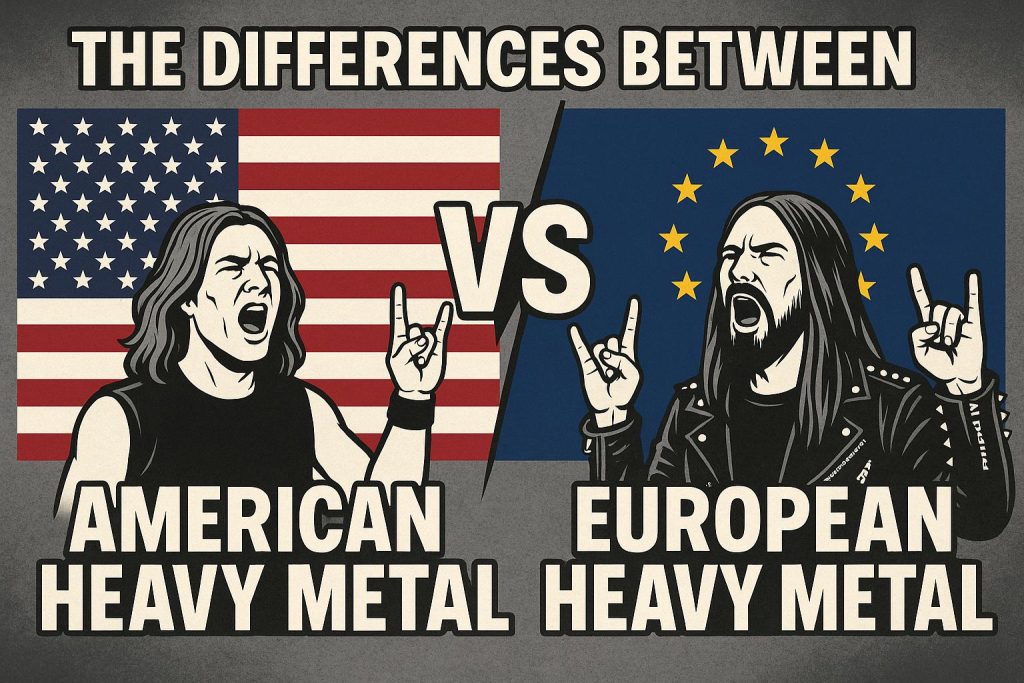
Heavy metal, a genre often synonymous with thunderous guitar riffs and powerful vocals, traces its roots back to a melting pot of musical influences that flourished in both the United States and Europe. In seeking to understand the differences in development between these two regions, it is crucial to explore how each locale adapted and transformed the genre according to its own cultural landscape.
American heavy metal initially sprouted from the fertile grounds of blues and rock music, particularly during the late 1960s and into the 1970s. The American scene, while being heavily inspired by influential British bands like Black Sabbath, managed to distinguish itself through a unique blend of rock and roll grit, individualism, and the pursuit of commercial success. This connection to blues, especially its deep emotionality and rebellious spirit, aided in the formation of distinct American subgenres that thrived on the ethos of innovation and personal expression.
On the other hand, European heavy metal drew inspiration from a broader spectrum of musical movements, including the vibrant sounds of classic rock and the aggressive edge of punk rock. This diversification in influences created a fertile ground for innovation. The UK, for instance, played a crucial role in the genre’s development, with bands infusing their music with progressive storytelling and themes that delved into historical and mythical contexts. Meanwhile, Germany, with its penchant for precision and technical complexity, contributed significantly to the power metal and thrash metal scenes, thereby diversifying Europe’s heavy metal identity.
Cultural Influences
The development of heavy metal within these regions did not occur in isolation but was molded by the distinctive cultural narratives that each embraced. In the United States, the heavy metal scene was marked by a pronounced focus on individualism and the notion of the self, often reflecting broader American societal values. This preoccupation with personal success and self-expression enabled the emergence of varied subgenres, each seeking to articulate an individual’s unique voice through the medium of heavy metal.
In stark contrast, European metal is often characterized by a deep-seated connection to traditional values and cultural heritage. European bands frequently incorporate themes drawn from folklore, history, and mythology, creating a richly textured musical narrative that resonates with audiences. This emphasis on tradition and collective storytelling often sees European metal bands exploring complex thematic concepts, touching on the socio-political landscapes of their respective countries.
Regional Variations
Both American and European heavy metal scenes are characterized by marked regional variations, each contributing its own flavor and sound to the overall genre. In the United States, specific cities became hotbeds for subgenres, each drawing from the cultural and musical nuances of their location. For instance, Los Angeles became known for its glam metal, characterized by flamboyant style and catchy hooks, while San Francisco emerged as a crucible for the thrash metal movement, defined by its speed and aggression.
On the other side of the Atlantic, Europe exhibits a similarly diverse array of regional styles. Norwegian black metal, often noted for its lo-fi production and themes of mysticism and nature, stands in contrast to Sweden’s melodic death metal, which blends harmonized guitar lines with aggressive vocals. These regional variations are deeply intertwined with local cultural identities, allowing each country to contribute something unique to the European metal scene, which collectively enriches the genre.
Scene and Community
The dynamics of metal communities in the United States and Europe further underscore the cultural distinctions between the two regions. American heavy metal communities tend to celebrate diversity and individuality, paralleling the eclectic nature of American culture as a whole. This individualistic approach often manifests in diverse fan bases and vibrant, loosely interconnected communities that thrive on the singularity of each participant’s musical taste and expression.
Conversely, European metal scenes often highlight a sense of unity and communal identity. Many European bands and communities are shaped by the socio-political climates within which they exist, with local issues and environments playing a role in the lyrical themes and cultural ethos of the bands. While diverse in style, many European metal communities share a collective appreciation for their cultural roots, imbuing the music with a sense of shared heritage and communal belonging.
Global Reach and Influence
Despite the distinct regional flavors, both American and European heavy metal scenes have achieved a significant global influence. The exchange between these two powerhouses of metal is ongoing, with bands from both sides of the Atlantic frequently influencing one another. This cross-pollination of styles and ideas has played a pivotal role in the genre’s evolution, fostering a robust international community of fans and musicians who continually push the boundaries of what heavy metal can achieve.
Moreover, both scenes have played vital roles in popularizing heavy metal on a global scale. Through world tours, festivals, and the global proliferation of media, the impact of American and European bands resonates far beyond their geographical origins, setting trends and inspiring musicians from diverse backgrounds to take up the heavy metal mantle.
Conclusion
In examining the heavy metal scenes of America and Europe, one gains insight into how culture, history, and location inform and shape musical expression. While distinctly different in terms of cultural influences, thematic content, and community dynamics, the heavy metal scenes in these regions together contribute to a rich, diverse tapestry. They not only highlight their unique characteristics but also showcase the shared passion for a genre that transcends borders and continues to captivate audiences worldwide. Ultimately, the global heavy metal community thrives on this diversity of expression, perpetually evolving as it reflects the multi-faceted cultures from which it springs.