The Role of Heavy Metal in Protest Movements
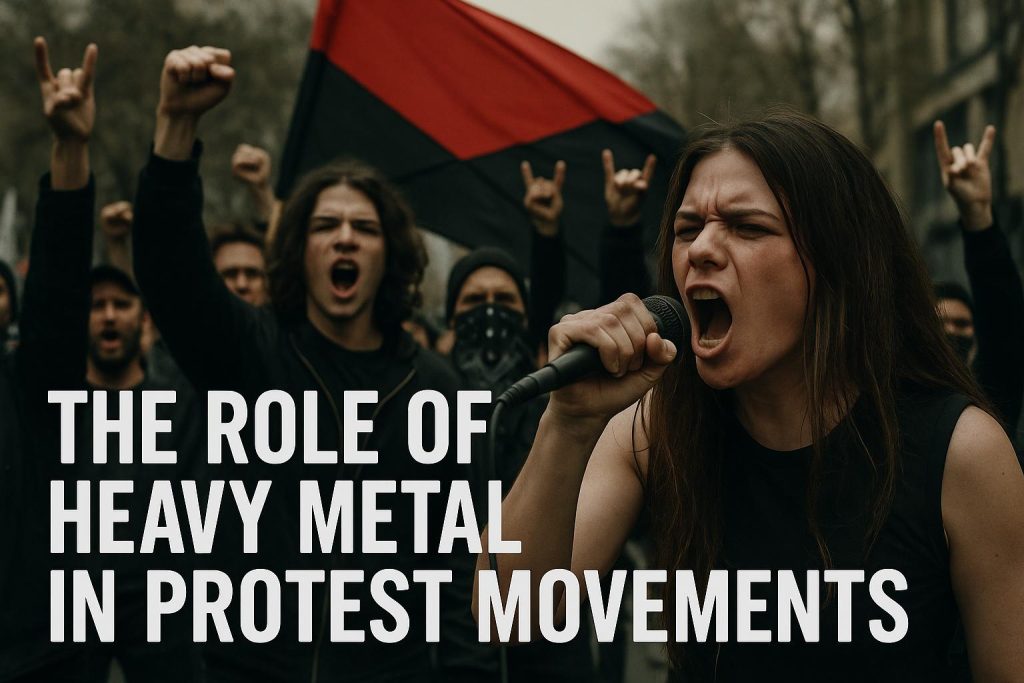
The Influence of Heavy Metal in Social and Political Movements
Heavy metal music has long been associated with themes of rebellion and resistance. Emerging in the late 1960s and early 1970s, the genre quickly gained popularity, partly due to its bold expression of societal discontent. This form of music underscores passions fueled by frustration with societal norms and has often served as a medium for protest. By examining the elements that contribute to the genre’s enduring legacy as a tool for dissent, we can better understand its ongoing impact on social and political movements around the world.
Historical Overview of Heavy Metal as a Protest Medium
The roots of heavy metal can be traced back to a turbulent socio-political landscape. The late 20th century was a time of significant upheaval, with a myriad of issues coming to the forefront of public consciousness. Bands such as Black Sabbath and Led Zeppelin voiced opposition to prevailing issues like war, inequality, and environmental degradation. Their music resonated with a generation seeking change, making heavy metal a natural fit for protest movements. These bands not only provided a soundtrack to the era’s discontent but also encapsulated the sentiments of a youth eager to challenge the status quo.
The influence of heavy metal extended beyond just the poignant lyrics and powerful music. It also played a crucial role in shaping fashion and culture, symbolizing a break from tradition and conformity. As artists pushed the boundaries of accepted norms, they inspired listeners to do the same in their own lives. This symbiotic relationship between musicians and their audience fueled the genre’s growth, further cementing its position as a movement of rebellion.
Lyrics and Themes: Channels of Dissent
Heavy metal lyrics often delve into topics that are critical of mainstream culture and politics. The explicit nature of these lyrics enables artists to communicate their dissatisfaction directly. Through poetic and sometimes aggressive language, artists articulate a vivid critique of the world’s injustices. Songs frequently cover themes such as political corruption, economic disparity, and human rights abuses, offering listeners a narrative that challenges the status quo.
For example, some bands have focused on highlighting government inefficiencies and the struggles experienced by ordinary citizens. Others have taken on broader themes such as the environment, questioning humanity’s destructive impact on the planet. These thematic explorations offer a critical lens through which fans can view and interpret the world, often prompting reflection and discussion.
Heavy Metal and Its Global Impact
As heavy metal gained a global audience, it began influencing international protest movements. This worldwide reach expanded the genre’s role as a vehicle for dissent and provided a platform for people in different cultural contexts to voice their grievances. Bands from countries with limited freedom of speech have used heavy metal to address local injustices. For example, in the Middle East, metal bands have highlighted government oppression and advocated for freedom through their music.
In regions where censorship and political repression are common, heavy metal has emerged as a form of resistance that transcends linguistic and cultural barriers. Musicians use their art to engage with deeply rooted issues, drawing attention to topics that might otherwise be suppressed in mainstream media. In doing so, they foster a sense of solidarity among listeners who share common aspirations for change.
Case Studies of Metal’s Role in Protests
Several instances illustrate heavy metal’s role in galvanizing social movements. In Eastern Europe, during the fall of communist regimes, the genre became a symbol of resistance against authoritarian rule. Metal’s raw energy and defiance offered an outlet for those yearning for freedom and autonomy. Similarly, bands in Latin America have used metal to critique social and political challenges, addressing issues such as poverty and governmental corruption. These examples underscore heavy metal’s effectiveness as a rallying cry for those demanding reform.
In each of these contexts, heavy metal has served not only as a form of artistic expression, but also as a catalyst for dialogue and activism. By offering a unifying and galvanizing force, the genre has helped to inspire movements that seek to reshape societies from within.
Contemporary Relevance of Heavy Metal in Protests
Today, heavy metal continues to influence protests across the globe. The accessibility of digital music platforms allows for the rapid dissemination of protest music, ensuring that heavy metal’s message resonates with new generations seeking to challenge existing power structures. With streaming services and social media channels at their disposal, artists can bypass traditional gatekeepers, reaching audiences directly and unfiltered.
This democratization of access to music means that the powerful messages contained within heavy metal can spread more rapidly and widely than ever before. Social media platforms amplify these messages, facilitating discussions and mobilizing supporters. As a result, protest movements can gain traction and momentum more swiftly, utilizing music as a central pillar of their campaigns.
In contemporary society, where new challenges continue to emerge, heavy metal remains a relevant and effective form of protest. Whether addressing racial injustice, economic inequality, or climate change, artists within the genre continue to use their music to engage with pressing issues. The enduring appeal of heavy metal lies in its ability to evolve while retaining its core ethos of defiance and rebellion.
Conclusion
Heavy metal has proven itself to be a powerful vehicle for protest and social commentary. Its unapologetic style and provocative lyrics offer a unique way for artists to voice dissent and inspire change. In times of uncertainty and unrest, heavy metal provides a platform for expression that can cut through noise and rhetoric to deliver impactful messages.
As global challenges persist, heavy metal’s role in protest movements is likely to remain significant, serving as a catalyst for social and political transformation. By giving a voice to the voiceless and championing causes that matter, the genre continues to offer both a refuge for those seeking change and a call to action for those willing to fight for it. The future of heavy metal as an instrument of resistance appears steadfast, ensuring its place as a cultural force that not only entertains but also empowers.