The Best Heavy Metal Albums of Each Decade
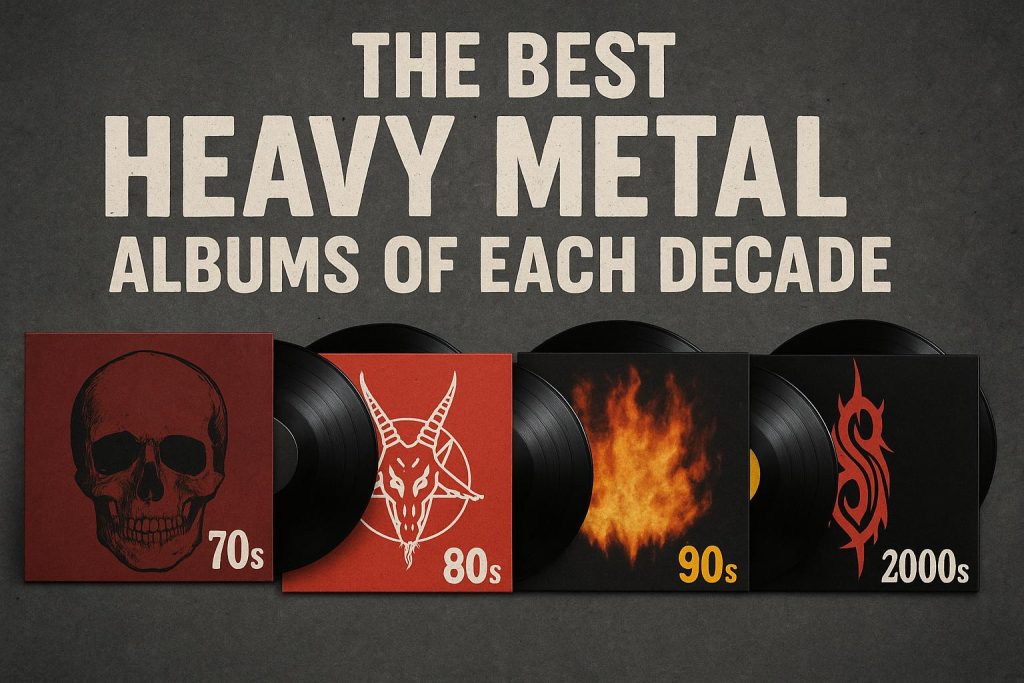
The 1970s
The 1970s marked the true birth of heavy metal, with several landmark albums that defined the genre’s sound and direction. One of the most notable is Black Sabbath’s Paranoid (1970). Released as the band’s second studio album, it includes iconic tracks like “War Pigs” and “Iron Man,” which have become staples in metal music. Not only did these tracks showcase the dark, heavy sound that Black Sabbath would become known for, but they also addressed themes of war, existential dread, and self-identity, resonating deeply with audiences of the time. This period also saw the refinement of heavy metal’s core characteristics—distorted guitar riffs, powerful drumming, and thematic exploration of rebellion and darker aspects of the human experience.
Another significant album from this era is Led Zeppelin’s Led Zeppelin IV (1971). Although often tagged as hard rock, it laid substantial groundwork for heavy metal with its heavier tracks, notably “Black Dog” and “When the Levee Breaks.” The album is a blend of various musical influences, from folk to hard rock, yet its heavier elements captivated the burgeoning metal audience. The iconic “Stairway to Heaven” also featured on this album, demonstrating a masterful combination of serenity and intensity, leaving a significant mark on rock and metal’s sonic landscape.
These albums not only spearheaded the heavy metal movement but also influenced a wide range of subsequent artists and sub-genres. The 1970s were a transformative decade for music, setting the stage for the more specialized and diversified sounds that would emerge in the following decades.
The 1980s
The 1980s witnessed the diversification of heavy metal into numerous sub-genres. One of the standout albums from this decade is Metallica’s Master of Puppets (1986). This album is frequently lauded for its complex compositions and aggressive instrumentation that raised the bar for thrash metal. It encapsulated themes of control and manipulation, with the title track dissecting these ideas with relentless precision and energy. The album’s success pushed Metallica into the mainstream, bringing thrash metal along and highlighting the genre’s potential for both technical complexity and mass appeal.
Similarly, Iron Maiden’s The Number of the Beast (1982) is a quintessential piece of metal history. Known for its intricate melodies and powerful vocals, it placed Iron Maiden at the forefront of the New Wave of British Heavy Metal (NWOBHM) movement. This period was defined by an embrace of elaborate lyrical themes and elaborate live performances, setting new standards for theatrics in metal. The album’s success facilitated a resurgence of classic heavy metal sounds, making it influential in harnessing what metal was and could become.
The 1980s were indeed instrumental in shaping the heavy metal landscape, making the genre more accessible and diverse. The proliferation of sub-genres during this time, including thrash, glam metal, and extreme metal, revealed heavy metal’s ability to evolve and capture new audiences.
The 1990s
The 1990s were transformative for heavy metal, with the genre branching out into more diverse sounds. Pantera’s Vulgar Display of Power (1992) can be noted as a landmark album that exemplified groove metal. The album demonstrated the raw intensity and power that would influence many bands in the following years. It also commented on personal and social issues through its aggressive musical approach and unyielding lyricism, capturing the disenchantment of a generation.
Another pivotal album is Tool’s Ænima (1996), which blended progressive metal with alternative sounds. Tool’s music during this period showcased complex rhythms and thought-provoking lyrics that set it apart from its contemporaries. With a mix of intricate instrumentation and philosophical lyricism, Tool challenged the conventional structure of songs, pushing the boundaries of what metal could achieve artistically and thematically.
The 1990s also witnessed the rise of other genres, such as alt-metal and nu-metal, which sought to incorporate diverse influences. This diversification reflected a broadening of the metal genre, displaying how it could adapt to and incorporate elements from a rapidly changing musical landscape.
The 2000s
The 2000s continued the expansion of heavy metal’s boundaries. Opeth’s Blackwater Park (2001) is a critical and fan favorite, known for its seamless integration of death metal and progressive rock elements, producing a rich, atmospheric experience. The album explores themes of life, death, and the cyclical nature of existence, all while shifting between serene passages and intense, heavy riffs, exemplifying the versatility and depth of metal music during the early 21st century.
Similarly, Mastodon’s Leviathan (2004) brought sludge metal into the mainstream with its conceptual storytelling and dynamic composition. The album, based loosely on Herman Melville’s Moby Dick, offered listeners a narrative-driven metal experience, earning praise for its forward-thinking approach and technical prowess.
As metal continued to evolve through the 2000s, bands increasingly drew from a wide range of influences, reflecting metal’s growing ability to transcend borders and fuse distinct musical styles.
The 2010s
The 2010s showcased further innovation and diversity within the heavy metal genre. Gojira’s L’Enfant Sauvage (2012) is often highlighted for its blend of technical skill and melodic depth. It offered listeners a sound that is both brutal and profoundly thought-provoking, exploring themes such as nature, humanity, and change.
Additionally, Ghost’s Meliora (2015) received acclaim for its unique blend of doom and pop sensibilities. Providing infectious melodies wrapped in theatrical, spine-chilling themes, Ghost managed to tap into a wider spectrum of listeners by crafting an accessible yet deeply compelling sound, merging darkness with catchy hooks.
The 2010s reiterated heavy metal’s adaptability and resilience. By continually embracing innovation and experimentation, metal has remained a continually evolving genre, keeping its core essence intact while allowing for fresh influences and ideas to emerge, maintaining its relevance in an ever-changing musical world.