The Role of Heavy Metal in Eastern European Rebellion
The Historical Context of Heavy Metal in Eastern Europe
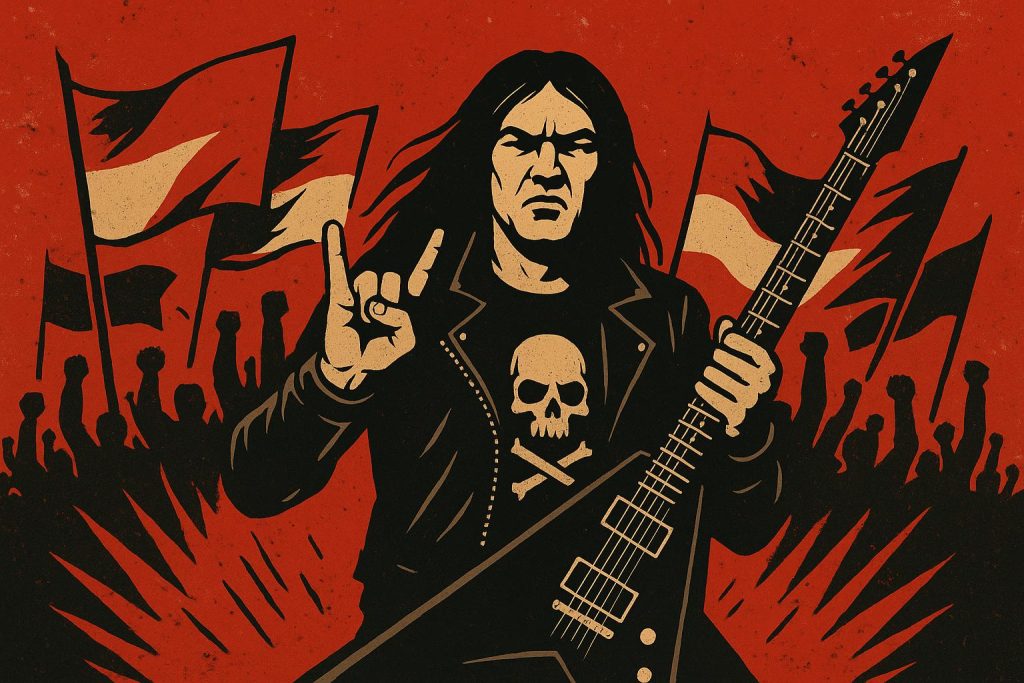
Heavy metal music has played a significant role in shaping political and social landscapes, especially in Eastern Europe during periods of rebellion and transformation. The genre, with its aggressive sound and rebellious themes, provided a voice to a generation yearning for change during times of political oppression and societal restrictions.
The Emergence of Heavy Metal in Eastern Europe
In the tumultuous decades of the late 20th century, Eastern Europe experienced significant political upheavals. In countries like Poland, Hungary, and the Soviet Union, heavy metal became a symbol of resistance against authoritarian regimes. Despite state censorship and the lack of access to Western music, fans and musicians exchanged bootleg tapes, which became a subversive form of protest.
Subculture and Rebellion
The heavy metal subculture in Eastern Europe grew as a defiant community that rejected the conformity imposed by state authorities. Metal genres such as thrash and death metal, with their aggressive and rebellious overtones, resonated deeply with youths who sought to express their discontent and desire for freedom. This music became more than an art form; it was a cultural statement against the status quo.
Censorship and Underground Movements
State censorship in Eastern Europe sought to suppress heavy metal by banning concerts and restricting album imports. Despite these efforts, the underground scene thrived, with fans organizing secret gigs and distributing music through clandestine networks. This underground resistance not only maintained the genre’s popularity but also strengthened its role as a catalyst for sociopolitical change.
The Influence on Political Changes
Heavy metal’s influence extended to political movements and changes throughout Eastern Europe. For instance, during the revolutions of 1989, metal music provided a soundtrack that motivated and united protesters. In Poland, bands such as KAT and TSA became synonymous with the country’s fight for freedom. Similarly, in Russia, heavy metal was a tool for expressing disapproval of political stagnation and advocating for reform.
Read more about the impact of music on political movements
In conclusion, heavy metal played an integral role in Eastern European rebellion by fostering a sense of community and resistance. Its aggressive style and unabashed opposition to authoritarianism inspired countless individuals to challenge oppressive regimes and contributed significantly to the socio-political transformation of the region.
Motivations Behind Heavy Metal’s Rise
The rise of heavy metal in Eastern Europe was not solely due to its musical appeal; it was propelled by a deeper desire for self-expression and autonomy that was suppressed under the heavy hand of communist rule. For many, engaging with this genre was less about the music and more about carving out a space where they could explore ideas that were otherwise prohibited.
Social Dynamics and Musical Influence
The socio-political climate of Eastern Europe was ripe for a revolution, albeit in music. Young people, particularly those who felt the suffocation of the state’s reach in personal and public life, gravitated towards music that articulated their struggles. Heavy metal, with its themes of rebellion and freedom, became synonymous with this silent revolt. The influence of metal was so pervasive that it began to impact the fashion, language, and attitudes of its listeners. It created a distinct social dynamic where music fans formed their own subgroups that thrived in their uniqueness and shared ideals.
Technological and Cultural Exchanges
The exchange of music in Eastern Europe was bolstered by technological advances, albeit limited, which enabled the smuggling and sharing of Western tracks. The invention of the cassette tape and its portability meant that music could be easily recorded, copied, and distributed. Clubs and underground venues were nestled in urban and suburban landscapes, becoming hubs for cultural exchange. These gatherings were more than just about enjoying music; they were sites of planning, protest, and the dispersal of new ideas challenging the status quo.
Impact on State Policies and Artistic Expression
Although the state repeatedly attempted to subdue these cultural expressions, their overreach often had the opposite effect. The government’s efforts to clamp down on what they considered ‘western influence’ highlighted the gaps in their control and unintendedly fueled curiosity and desire among the youth. Artists found creative ways to bypass censorship and address their audience using metaphors and allegories hidden in lyrics, further fueling the listeners’ creativity in interpretation.
Legacy of Metal Music in Contemporary Eastern Europe
Today, the legacy of heavy metal in Eastern Europe continues to resonate as musicians and fans celebrate anniversaries and organize festivals that remember those pivotal moments in history. Contemporary bands often cite the influences of those early days as foundational, emphasizing the role that music played in societal transitions. The genre has transcended its original revolutionary roots to become a respected part of the cultural fabric in many Eastern European countries.
In retrospect, the rise of heavy metal in Eastern Europe is a testament to the power of music as a force of social change. It has demonstrated time and again that art, in its many forms, serves not just as an outlet for creative expression but as a formidable means to challenge authorities and inspire generations. As people look back on the historical contexts that shaped today’s tastes and freedoms, the story of heavy metal in Eastern Europe stands out as an example of music’s enduring influence.