The Role of Heavy Metal in Anime and Manga
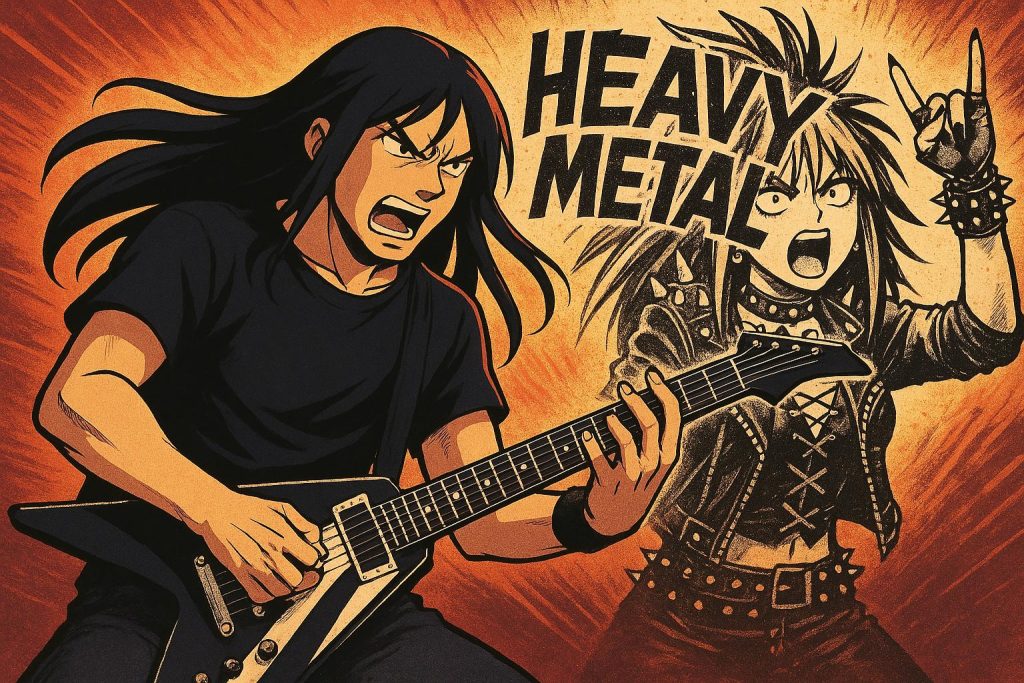
The Interplay of Heavy Metal in Anime and Manga
Anime and manga, as mediums, have a rich tradition of incorporating diverse musical elements to enhance storytelling and character development. One genre that has had a notable influence is heavy metal. This musical style complements the vibrant and dynamic nature of anime and manga through its bold themes and intense energy.
Historical Context
The infusion of heavy metal into anime and manga can be traced back to the 1980s. During this era, heavy metal was thriving as a mainstream music genre globally. Its themes of rebellion, fantasy, and power resonated well with the narrative styles found in many anime and manga series. For instance, Fist of the North Star and Devilman embraced heavy metal aesthetics, which helped set the tone for subsequent productions.
The influence of the 1980s cannot be underestimated in shaping how heavy metal and anime converged. This decade was marked by a burgeoning interest in pushing creative boundaries, both in the musical world and within illustrated narratives. Heavy metal bands like Black Sabbath and Iron Maiden were at their peak, and their thematic preoccupations with existentialism, good versus evil, and the human condition became rich ground for adaptation in the narrative forms of anime and manga. This cultural context allowed the two art forms to marry in a way that enhanced their respective narratives, feeding off each other’s intensity and emphasis on defiance.
Heavy Metal Soundtracks
The role of heavy metal in anime is most explicitly seen in soundtracks. Music compositions featuring heavy metal’s characteristic electric guitars and aggressive rhythms often accompany high-energy scenes or battles. One example is the soundtrack for Berserk, which effectively uses heavy metal to underscore the anime’s dark and intense mood.
The use of soundtracks goes beyond mere accompaniment; it becomes a narrative tool in itself. In episodes where tension reaches its peak, or as protagonists face nearly insurmountable odds, heavy metal music acts as a backdrop that amplifies emotional stakes. The electric guitar riffs and powerful drum beats provide an auditory underscore that complements the visual chaos and drama unfolding on screen. This approach is especially effective in fantasy or combat-centric series, where the adrenaline rush mirrored in music enhances viewer engagement.
Character and Thematic Influence
Heavy metal’s impact on character design and thematic elements is another significant aspect. Characters in anime and manga may draw inspiration from rock musicians, adopting exaggerated hairstyles and fashion that reflect a rebellious spirit. Series like Nana and Detroit Metal City prominently feature characters who are directly involved in the music industry, providing an insightful look into the world of heavy metal through a fictional lens.
These narratives often explore themes prevalent in heavy metal music, such as individualism and defiance against societal norms. This thematic alignment allows for a deeper exploration of characters’ motivations and growth. Characters become more than just part of a story; they evolve into symbols of resistance and self-expression. This is particularly evident in stories where protagonists struggle against authoritarian structures or strive for personal freedom, resonating with the rebellious undercurrents of the heavy metal genre.
The fashions and aesthetics associated with heavy metal further play into character design. The dramatic hairstyles, leather-clad costumes, and edgy accessories commonly attributed to rockstars become visual markers signifying a character’s outsider status or rebellious nature. This intentional alignment between character appearance and thematic leanings further enriches the storytelling by aligning physical expression with ideological narratives.
Iconic Titles and Cultural Impact
A number of anime and manga have become iconic partly due to their incorporation of heavy metal. Beck: Mongolian Chop Squad presents a journey through the music industry with a strong emphasis on rock and metal influences. The series JoJo’s Bizarre Adventure also frequently includes nods to the genre, with characters and stands named after famous bands and musicians.
The cross-cultural influence of heavy metal and anime has led to several collaborations. Musicians from the heavy metal genre have contributed to soundtracks or expressed appreciation for anime, further strengthening the bond between these artistic expressions. This exchange is evident in several high-profile collaborations where Western bands have participated in anime projects. For instance, the involvement of Japanese rock and metal bands in crafting theme songs for anime underscores a mutual admiration and shared creative vision.
Culturally, the integration of heavy metal has enriched anime and manga by broadening their auditory and thematic palette. This cross-pollination can also be seen in the global fandom that exists at the intersection of these two spheres. Fans of heavy metal often find resonance in the storytelling approaches of anime and manga, while anime enthusiasts may develop an appreciation for the raw emotionality and energy characteristic of metal music.
Merging of Visual and Auditory Aesthetics
Anime and manga not only draw from heavy metal in terms of sound but also emulate its visual and thematic grandeur. The larger-than-life personas of metal musicians, marked by their theatrical performances and stage charisma, have found a home in the exaggerated expressions and dramatic storytelling seen in anime. The synergy between visual drama and auditory intensity helps in creating a holistic experience that is both immersive and engaging.
Heavy metal inherently embodies a certain intensity and emotional honesty that parallels the emotional arcs found in many anime and manga narratives. As the music reaches crescendos of emotion or descends into melancholic riffs, it echoes the journey of protagonists facing formidable challenges, embodying themes of individualized struggle and triumph over adversity.
Conclusion
Heavy metal’s presence in anime and manga has significantly contributed to the development of a unique aesthetic within these mediums. Its thematic boldness and musical vigor complement the storytelling dynamics. As anime and manga continue to evolve, the influence of heavy metal remains a testament to the compelling fusion of music and visual art.
The interplay between these art forms demonstrates how intersecting creative domains can produce an enriched narrative experience. For those interested in exploring this intersection further, various resources and fan discussions are available online, offering deeper insights into how these worlds collide. As both anime and heavy metal continue to break new ground, their collaborative future promises to be as dynamic and trailblazing as the narratives they tell.