The Most Controversial Heavy Metal Bands in History
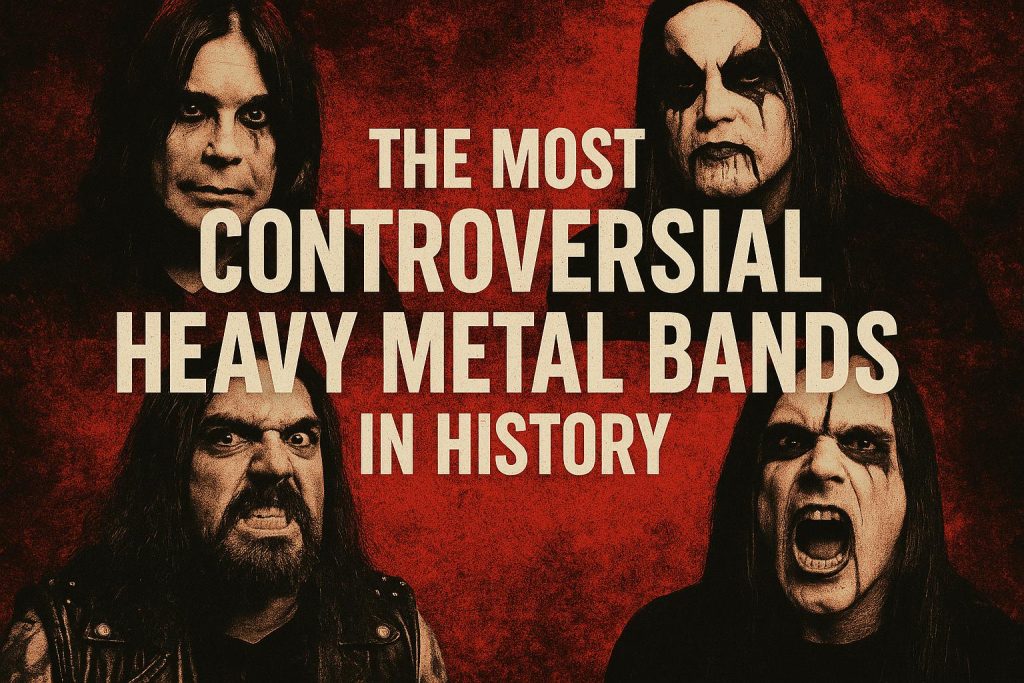
Introduction to Controversial Heavy Metal Bands
Heavy metal has long been a genre marked by its boundary-pushing themes, aggressive sound, and visually striking imagery. Over the decades, some bands have stood out not only for their music but also for their controversial actions and public personas. These groups often generate discourse due to their lyrics, behavior, and the themes they explore. This article examines some of the most controversial bands in heavy metal history, highlighting the factors that have contributed to their notoriety and the broader implications of their actions and artistry.
Black Sabbath
Black Sabbath, often credited with pioneering the heavy metal genre, courted controversy from the start. Emerging from Birmingham, England, in the late 1960s, their music was characterized by heavy guitar riffs, dark themes, and a sense of foreboding. Their lyrics delved into topics such as war, political corruption, and occult themes that raised eyebrows in the 1970s. With songs like “War Pigs” criticizing the military-industrial complex and “Black Sabbath” invoking images of satanic rites, their subject matter was a stark departure from the flower-powered optimism of the 1960s rock scene.
Black Sabbath’s themes of darkness resonated with a generation disillusioned by the Vietnam War and political scandals. Despite—or perhaps because of—their provocative nature, Black Sabbath laid the groundwork for future metal bands both musically and thematically. As much as their music was scrutinized, it also influenced countless bands who saw in Black Sabbath a template of rebellion and boundary-pushing creativity. Their legacy is not just in their sound but in their fearless exploration of taboo subjects, prompting discussions on the role of music in social commentary.
Marilyn Manson
Marilyn Manson, both a band and the stage name of its frontman, has been at the center of controversy since the 1990s. Known for shocking performances, explicit lyrics, and themes of anti-religion, Manson quickly became a target for criticism. Initially gaining attention with the release of “Portrait of an American Family,” the band gained notoriety for their chaotic live shows, characterized by pyrotechnics and provocative imagery.
Debates over the influence of the band’s music on youth culture have been pervasive, particularly in light of tragic events like school shootings. Critics accused Manson of fueling societal decay, while defenders argued for the right to artistic expression. Despite this, or perhaps because of it, their influence on the genre is undeniable. Manson’s blending of glam rock aesthetics with industrial metal soundscapes pushed the genre’s boundaries, contributing to a cultural conversation that questioned censorship, free speech, and the impact of media on behavior.
Marilyn Manson stands as a complex figure in heavy metal, simultaneously serving as both scapegoat and visionary within the music industry. The critical dialogues surrounding the band demonstrate the challenges in deciphering the divide between personal responsibility and artistic expression.
Norwegian Black Metal Acts
The Norwegian black metal scene in the early 1990s was notorious for its extreme ideologies and criminal activities. Bands such as Mayhem and Burzum became infamous not only for their raw and aggressive music but also for their involvement in church burnings, violence, and even murder. These actions, profoundly troubling in their morality, brought international attention to the subgenre and sparked debates on the ethical ramifications of art and its creators.
The intensity of the Norwegian scene was not solely an aesthetic choice but a subcultural movement, embracing radical ideologies and a rejection of societal norms. The members of these bands often espoused anti-religious sentiments, channeling their discontent through both their music and their controversial public statements. The events in Norway during this time fueled media narratives that connected music to criminal behavior, raising questions about where art ends and action begins.
These bands’ influence speaks to a broader exploration of how underground music scenes can tap into societal frustrations, translating them into movements that function outside of mainstream acceptance. While the actions of some individuals remain inexcusable, the legacy of Norwegian black metal continues to be studied as both an artistic anomaly and a cautionary tale of extremism.
Motley Crue
Known for their hedonistic lifestyle, Motley Crue gained notoriety in the 1980s, embodying the excess and decadence of the glam metal scene. Their music, characterized by catchy hooks and theatrical performances, captured the zeitgeist of rock ‘n’ roll excess. Tales of substance abuse, legal troubles, and wild antics often overshadowed their musical contributions. As Motley Crue rose to fame, their public personas became as well-known as their music, with members frequently appearing in tabloids for their off-stage exploits.
Books and documentaries chronicling their lives offer a glimpse into their tumultuous careers, further cementing their place in rock history. The band’s indulgent behavior, often portrayed humorously, underscores the rock culture’s longstanding obsession with rebellion and vivacity. Moreover, their impact on heavy metal goes beyond entertainment; they challenged the constraints of professionalism in favor of a lifestyle that resonated with fans seeking an escape from the mundane.
Motley Crue remains a testament to the complex interplay between art and artist, a narrative woven from both the triumph of musical success and the pitfalls of fame. The band exemplifies how cultural icons may simultaneously embody society’s fantasies and the stark realities of human fallibility.
Conclusion
While controversy can often serve as a catalyst for notoriety, it is crucial to assess the cultural and societal impacts of these bands within their historical contexts. The controversial actions and themes presented by these heavy metal bands have, in many cases, challenged societal norms and sparked crucial conversations about art, influence, and morality. Through their controversial yet influential careers, these bands have not just entertained but also provoked thought, pushing the boundaries of what music and its surrounding culture can represent.
The continued discourse surrounding these heavy metal figures illustrates the fluid relationship between musical genres, societal values, and cultural transformations. As heavy metal evolves, so too does its ability to both disturb and fascinate, reflecting broader cultural changes and the ever-shifting landscape of artistic expression.