The Connection Between Heavy Metal and Biker Culture
The Historical Origins of the Connection
The alliance between heavy metal music and biker culture is a fascinating phenomenon that originated during the dynamic decades of the late 1960s and the 1970s. This period was characterized by a fervent spirit of rebellion and an eagerness to break away from societal norms, which paved the way for the development of both heavy metal music and the biker subculture. Bikers, who were often perceived as embodying a spirit of freedom and non-conformity, found that heavy metal music resonated with their lifestyle. This genre of music was notable for its loud, aggressive sound, and its themes of rebellion, non-conformity, and counterculture, which mirrored the attitudes of biker communities.
Shared Characteristics
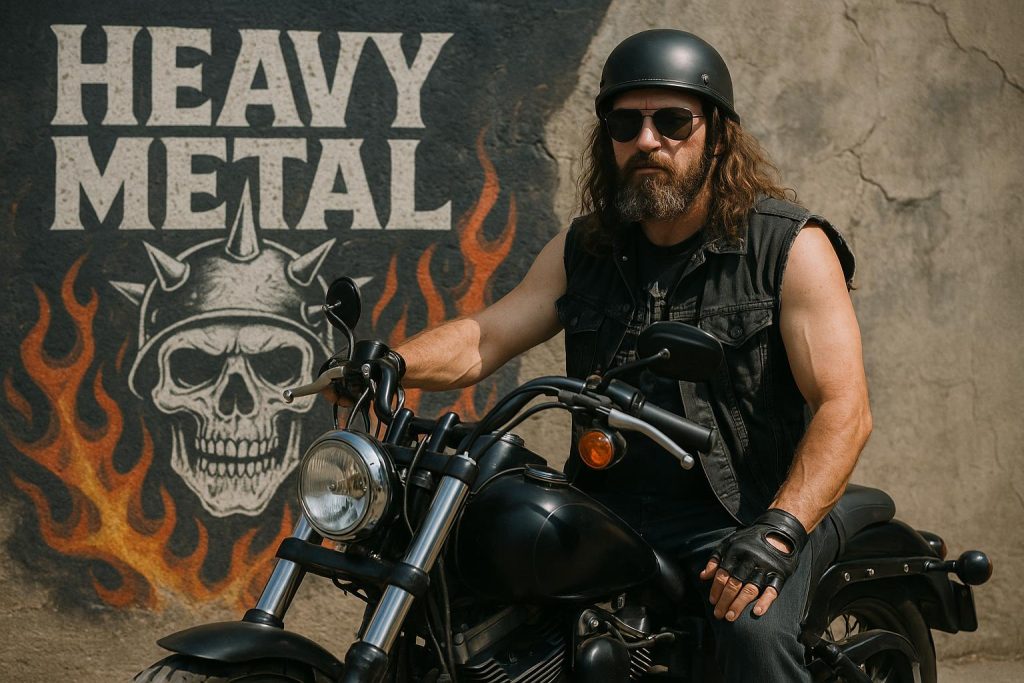
At the crux of the connection between bikers and heavy metal enthusiasts is a shared set of characteristics that define their respective cultures. These groups often embrace similar imagery and fashion that underscore a sense of toughness and defiance. For instance, leather jackets, metal studs, and bandanas are emblematic of both cultures, reinforcing their visual connection. These shared styles serve as more than just fashion statements; they symbolize an anti-establishment stance that is a significant intersecting point between the two groups. In this way, they project an identity that challenges traditional norms, advocating for individual freedom and resistance to authority.
Musical Influence
The influence of heavy metal music on biker culture is profound and multi-faceted. This genre provides an ideal soundtrack that complements the biker lifestyle, characterized by its sense of adventure and unbounded freedom. The driving rhythms and powerful guitar riffs typical of heavy metal music are analogous to the exhilarating experience of riding a motorcycle at high speeds. Bands such as Judas Priest have deliberately fostered this connection. Known for their song “Hell Bent for Leather,” Judas Priest adopted biker-style attire and crafted music that incorporated themes of travel, independence, and freedom, thus establishing a deep and enduring bond with the biker community.
Biker Rallies and Heavy Metal Concerts
Biker rallies serve as a confluence point for metal bands and bike enthusiasts, offering a vivid expression of their shared culture. Events such as Sturgis Motorcycle Rally and Daytona Bike Week have become famous not only for the gathering of motorcycle enthusiasts but also for incorporating heavy metal concerts as a major highlight. These concerts offer an electrifying environment where bands and bikers can converge, thereby strengthening their mutual ties. Renowned bands like Motörhead and Metallica have performed at various biker gatherings, amplifying the crossover appeal between heavy metal and biker cultures and solidifying their shared heritage.
The Role of Media
The portrayal of bikers and heavy metal musicians in media significantly contributes to reinforcing their connection. Films, documentaries, and music videos frequently depict bikers with heavy metal soundtracks, creating a narrative that encapsulates shared themes of liberty, rebellion, and defiance. These portrayals play a critical role in crafting and perpetuating the cultural mythology surrounding both bikers and heavy metal music. By showcasing these intertwined themes, media portrayal not only reflects the existing connection between the two cultures but also serves to perpetuate and enhance their interrelated images in the public consciousness.
Expanding Cultural Exploration
The bond between heavy metal and biker culture is far more than just a superficial alignment of imagery and sound; it represents a deeper affinity rooted in shared values and lifestyle choices. For those intrigued by the dynamics of these intertwined cultures, there is much to explore and discover. Dedicated platforms provide opportunities for enthusiasts and newcomers alike to delve deeper into both the historical origins and contemporary expressions of these cultures. Through continued exploration, one can gain a greater appreciation of how these seemingly disparate worlds come together to form a distinctive and vibrant subcultural alliance.
In conclusion, the link between heavy metal music and biker culture is inextricably rooted in shared attitudes, values, and aesthetics. Their mutual focus on freedom, rebellion, and a distinctive visual style has rendered the two inseparably intertwined. Exploring further provides not only a deeper understanding of both cultures but also an appreciation for the shared values that bind them together. As the story of heavy metal and biker culture continues to evolve, it remains an engaging area of cultural intersection worth exploring for those wishing to understand their lasting appeal and enduring connection.