The Relationship Between Heavy Metal and Mental Health
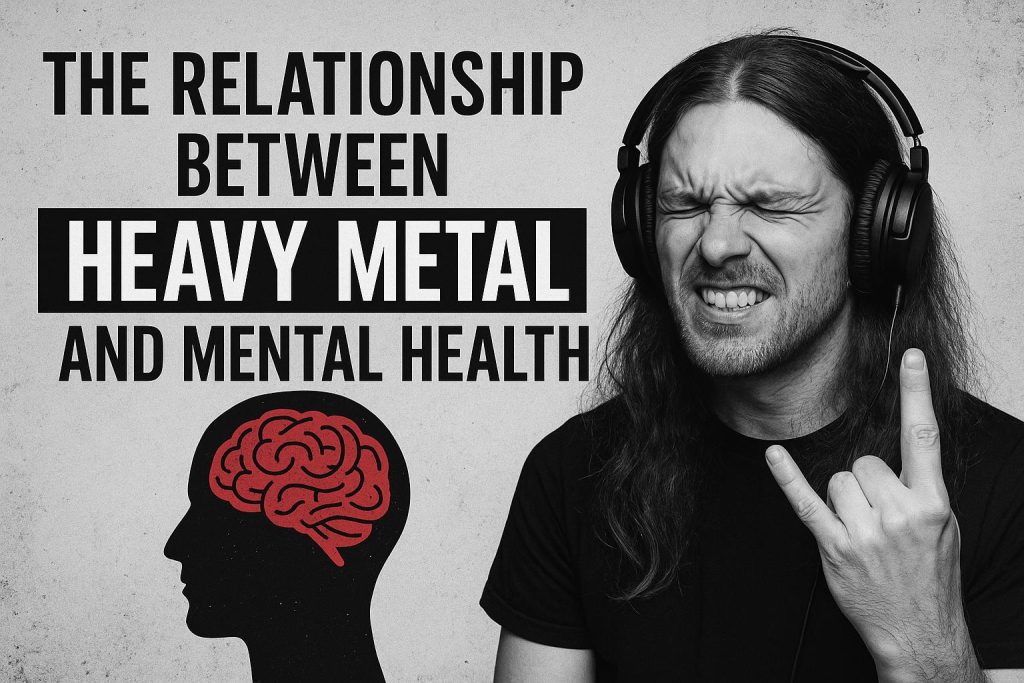
The Connection Between Heavy Metal Music and Mental Health
The intricate relationship between music and mental health has long captivated researchers and listeners. Among various musical genres, heavy metal often finds itself at the heart of these discussions. Though heavy metal is sometimes portrayed negatively in mainstream media due to its intense and loud soundscapes, numerous studies have suggested a range of complex links between listening to heavy metal music and mental health outcomes.
Understanding Heavy Metal’s Impact
Heavy metal, characterized by its amplified distortions, strong rhythms, and powerful vocals, can initially appear to have an adverse effect on its listeners. Critics often focus on the genre’s association with aggression and negativity. However, a deeper exploration reveals that heavy metal can effectively serve as a coping mechanism for individuals who resonate with its aggressive beats and lyrical themes. This section will delve into how heavy metal affects individuals emotionally and socially.
Emotional Release and Catharsis
One of the significant benefits of listening to heavy metal music lies in its ability to provide emotional release and catharsis. The intense nature of heavy metal often reflects the internal turmoil experienced by its listeners, offering a channel for emotional processing. As fans engage with the powerful beats and raw, emotive lyrics, they can experience a form of emotional cleansing. Such a release can be particularly beneficial for those dealing with feelings of anger, frustration, or sadness. By expressing these emotions through music, listeners find a socially acceptable way to confront and manage their struggles.
Moreover, the themes explored in heavy metal—from personal struggle to societal critique—can resonate deeply with individuals, providing a sense of validation and understanding. Listeners often describe feeling less isolated because the music articulates emotions and experiences they may not have been able to express themselves.
Community and Belonging
Another crucial aspect of heavy metal’s impact is its strong community dynamic. The global heavy metal community is unique for its sense of camaraderie and mutual support among fans. Concerts, fan clubs, and online forums create spaces where individuals come together to celebrate the music they love. These gatherings offer more than just entertainment; they provide a sense of belonging for those who may feel alienated in other areas of their lives.
For many struggling with mental health issues, being part of this community offers a supportive network. Engaging with peers who share similar interests and experiences can foster genuine connections and a sense of understanding, which are vital for emotional well-being. This sense of belonging helps mitigate feelings of loneliness and isolation, offering a platform for fans to share their experiences and emotional burdens.
Research Insights
When examining the effects of heavy metal on mental health, research reveals varied results. Some studies suggest a positive impact on emotional well-being, while others associate the genre with increased aggression or negative emotion. However, it is essential to remember that correlation does not imply causation. The complexity of the relationship between heavy metal and mental health is often mediated by individual differences, as well as social and cultural contexts.
Studies and Findings
Research provides insights that challenge traditional stereotypes about heavy metal fans. For instance, a study published in the Journal of Community Psychology concluded that young people who embraced heavy metal music reported lower levels of depression and anxiety compared to those who did not. The research suggested that the genre helped these individuals build resilience, serving as a shield against everyday stressors.
Another piece of research published in Frontiers in Psychology indicated that heavy metal fans are often misunderstood. Despite prevailing stereotypes, they are no more likely to experience anxiety or depression than non-fans. These findings underscore the complexity of the music’s impact, suggesting that fan identity and personal context significantly contribute to mental health outcomes.
While some critics argue that heavy metal may induce negative emotions or aggressive behavior, these studies illustrate its potential emotional benefits. The key is understanding the diverse ways in which individuals engage with the genre and how personal experiences shape this interaction.
Conclusion
The relationship between heavy metal music and mental health is anything but straightforward. While debates persist about whether the genre incites negative emotions or behavior, existing research suggests that it can provide significant emotional benefits for its listeners. The emotional release garnered from heavy metal, alongside the profound sense of community it fosters, plays a crucial role in understanding its impact on mental well-being. Individual differences, such as personality, personal history, and social belonging, critically determine how heavy metal affects mental health.
For fans of this genre, heavy metal represents more than just a musical preference; it is a meaningful part of their identity and a powerful resource for navigating life’s challenges. As researchers continue to explore this domain, it is imperative to approach the subject with an open mind, valuing both scientific perspectives and the lived experiences of listeners. By doing so, we can gain a more comprehensive understanding of how heavy metal—and music as a whole—shapes the mental landscapes of individuals across the globe.